


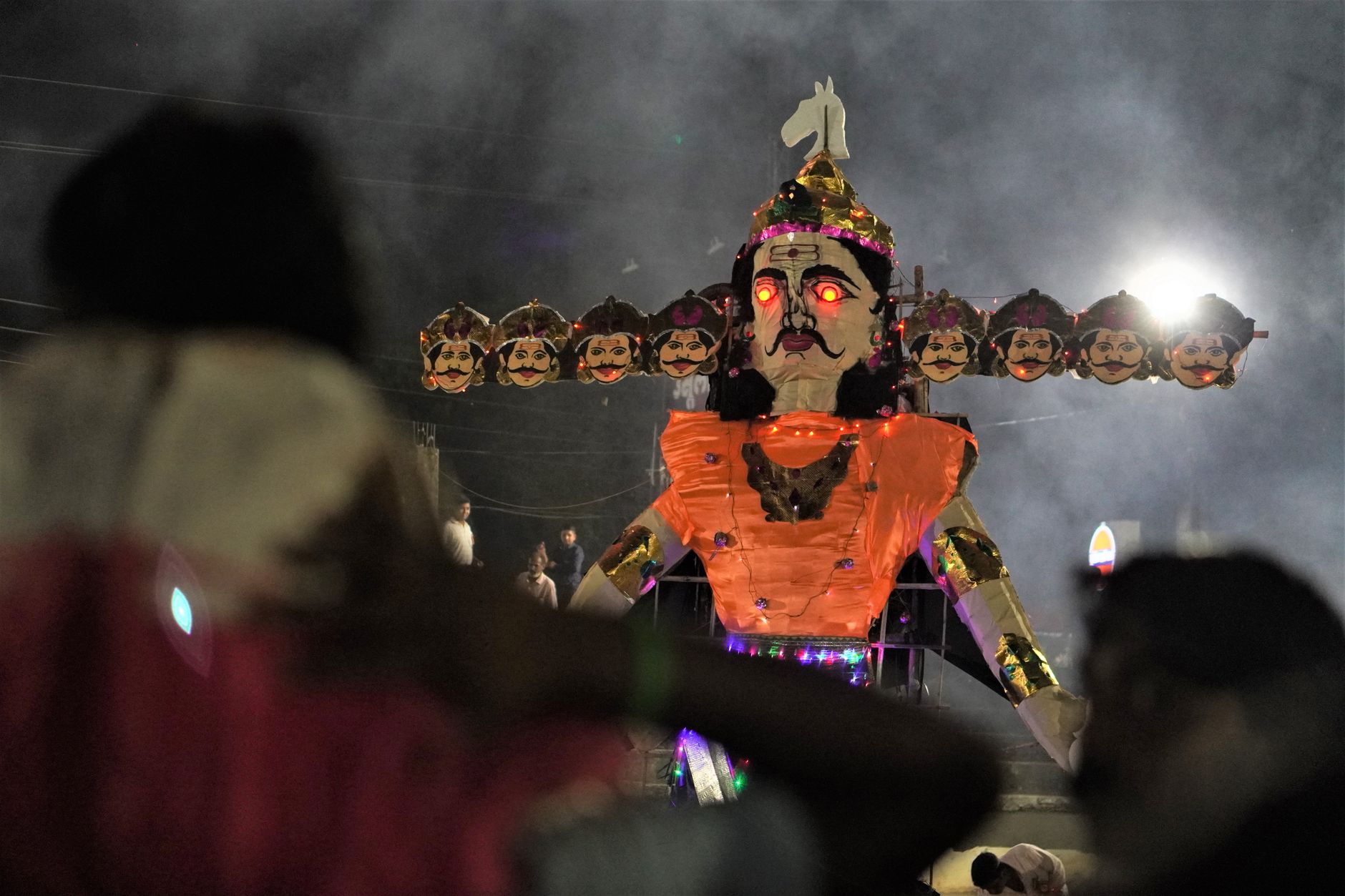
On October 20, 2026, the people of India will celebrate Dussehra, a significant festival that holds deep cultural and spiritual importance across the nation. Known widely as Vijayadashami, the day is traditionally observed to commemorate the victory of good over evil. The historical and mythological narrative centres on two key triumphs: the victory of Lord Rama over the demon king Ravana and the success of Goddess Durga over the buffalo demon Mahishasura. These stories continue to resonate with the public as powerful reminders that righteousness ultimately prevails over malevolence.
For many, the festival is not merely a day of ritual but a transformative period. Beyond the public displays of devotion and community activity, Dussehra serves as a time for personal reflection. The spirit of the occasion encourages individuals to release negativity, forgive past mistakes, and embrace fresh beginnings. It is seen as an opportunity to set aside old grievances, fostering a sense of renewal that touches both individual lives and family relationships. This emphasis on positivity makes the day a focal point for reconciliation and the strengthening of social bonds.
The traditional celebrations are characterized by a mix of solemnity and vibrant public displays. Families often come together for prayers and festive meals, reinforcing the significance of communal unity. One of the most iconic sights during the festivities is the dramatic burning of Ravana's effigies, a ritual that takes place in various parts of the country to symbolize the destruction of evil. These gatherings are central to the Indian experience of the festival, as they provide a shared space for the community to witness the symbolic enactments of ancient legends.
In the modern context, the way people express their festive spirit has evolved, with digital communication playing a significant role in connecting families and friends. As the date approaches, there is a widespread practice of sharing greetings and messages of goodwill. Whether it is a heartfelt note sent to a family member, a short text message to a friend, or a festive caption for social media, these expressions are considered an effective way to cultivate positivity. The exchange of such wishes is intended to inspire others to embody qualities like courage, honesty, and kindness in their daily lives.
The themes of the festival are versatile enough to suit various relationships. For family members who may be separated by distance, messages often focus on the importance of unity, shared history, and mutual support during life’s challenges. For friends, the focus frequently shifts toward mutual encouragement and the celebration of enduring bonds. In the professional sphere, greetings are often tailored to colleagues and office groups, emphasizing the values of patience, confidence, and collaborative growth in the workplace.
As participants reflect on the significance of 2026, the messages circulating among the public serve as a bridge between tradition and contemporary life. The core objective remains consistent: to foster an environment where kindness is prioritized. Many of the sentiments shared during this time highlight the hope for a year filled with success, peace, and health, encouraging individuals to view the festival as a starting line for brighter, more purposeful days ahead.
Ultimately, the observance of Dussehra on October 20 acts as a cultural anchor, grounding people in the values of their heritage while providing a platform to navigate the complexities of modern existence. By choosing to celebrate through acts of forgiveness and the sharing of positive intentions, individuals contribute to the collective spirit of the nation. The day reminds everyone that regardless of personal or professional hardships, there is always room to pursue a path guided by wisdom and integrity, ensuring that the legacy of these ancient victories continues to influence the future.








Comments