


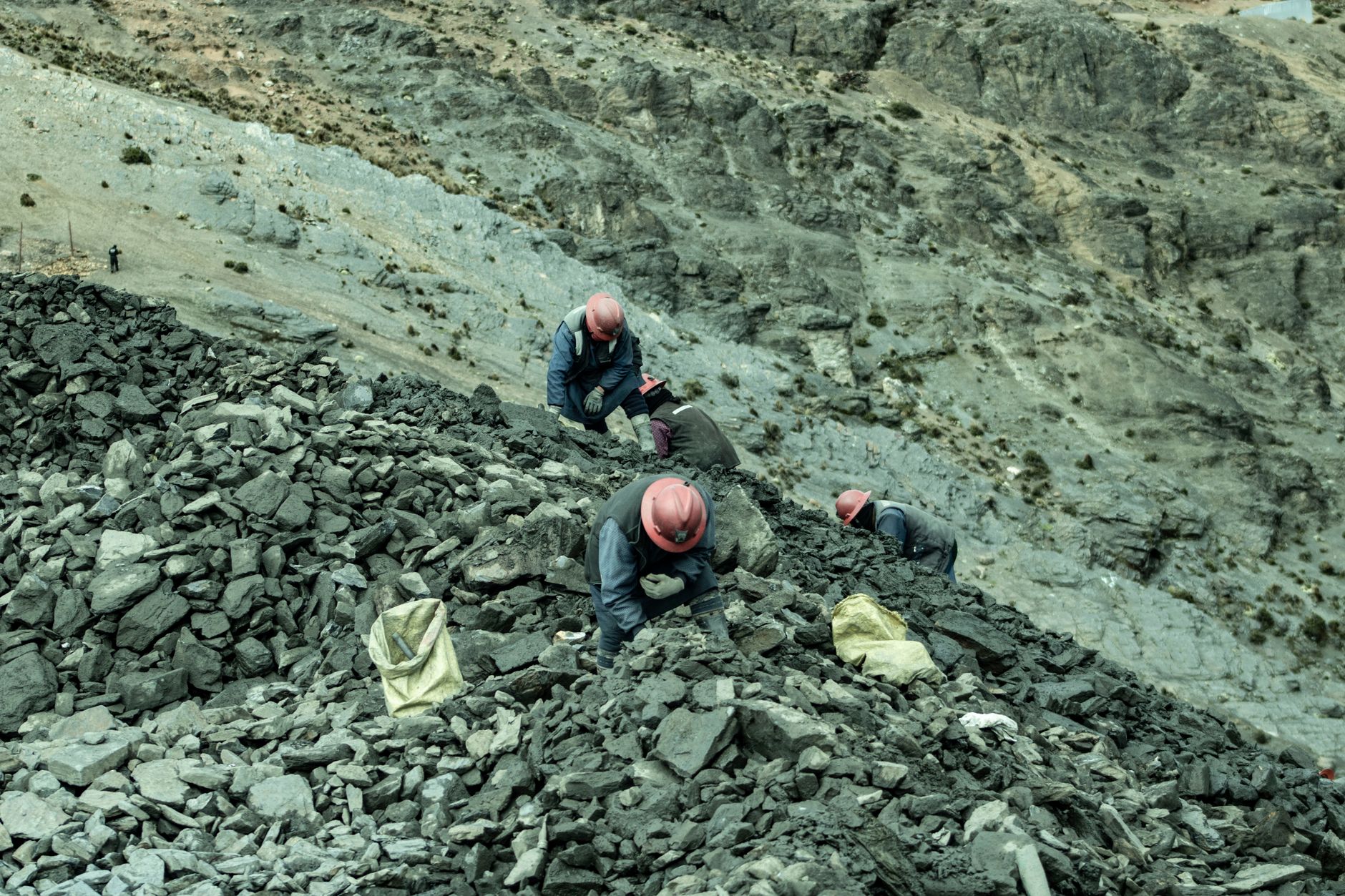
A tragic accident occurred in southwestern Colombia this week when an illegal gold mine collapsed, resulting in the deaths of 14 people and leaving seven others injured. The incident took place in the rural Chambero sector within the Santa Barbara de Iscuande municipality, located in the department of Narino. Local authorities confirmed the details of the collapse on Monday as search and rescue teams were deployed to the area to assist the victims.
Narino Governor Luis Alfonso Escobar stated that search and rescue operations have concluded in the wake of the disaster. However, the situation remains fluid and concerning, as disaster response official Jorge Tovar Castillo reported that an additional 12 to 15 miners are still considered missing. Authorities noted that coordinating the response effort has been difficult, as the site is situated in a remote, dense rainforest region accessible only by small aircraft or boat.
Governor Escobar described the facility as an “informal” mine. These types of unregulated operations are unfortunately common across rural parts of Colombia, where miners often lack the necessary safety infrastructure required to prevent such catastrophes. The absence of basic engineering standards and safety protocols frequently leads to fatal accidents in these clandestine gold extraction sites, posing a significant risk to those involved in the work.
“At this moment our priority is to save lives, accompany families and guarantee an opportune response to this painful tragedy,” Escobar wrote in a message posted on X. Local municipal authorities are leading the immediate response, though the geographic isolation of the Santa Barbara de Iscuande region has presented significant hurdles for emergency personnel trying to reach the site and manage the aftermath.
The collapse serves as a grim reminder of the high human cost associated with unregulated resource extraction in the region. This incident is not an isolated event; just recently, in August, a similar mining accident occurred in the nearby municipality of Policarpa, also located within the department of Narino. That earlier tragedy resulted in the deaths of 13 people, further highlighting the systemic dangers inherent in informal mining practices across the Colombian countryside.
As the community grapples with this loss, the focus of the authorities has shifted toward supporting the families of the victims and managing the logistics of the rescue and recovery phase. The difficulty in communication and the challenging terrain continue to define the response efforts. While the initial search and rescue phase has officially closed, the fate of the missing individuals remains a primary concern for local officials and the families awaiting news.
Moving forward, the incident is expected to renew scrutiny regarding the regulation of mining activities in remote parts of the country. The recurring nature of these fatal collapses in Narino emphasizes the urgent need for addressing safety standards and the economic pressures that drive workers into informal and high-risk environments. For now, the administration continues to manage the immediate aftermath of the tragedy, keeping the welfare of the affected families at the center of their operations.








Comments