


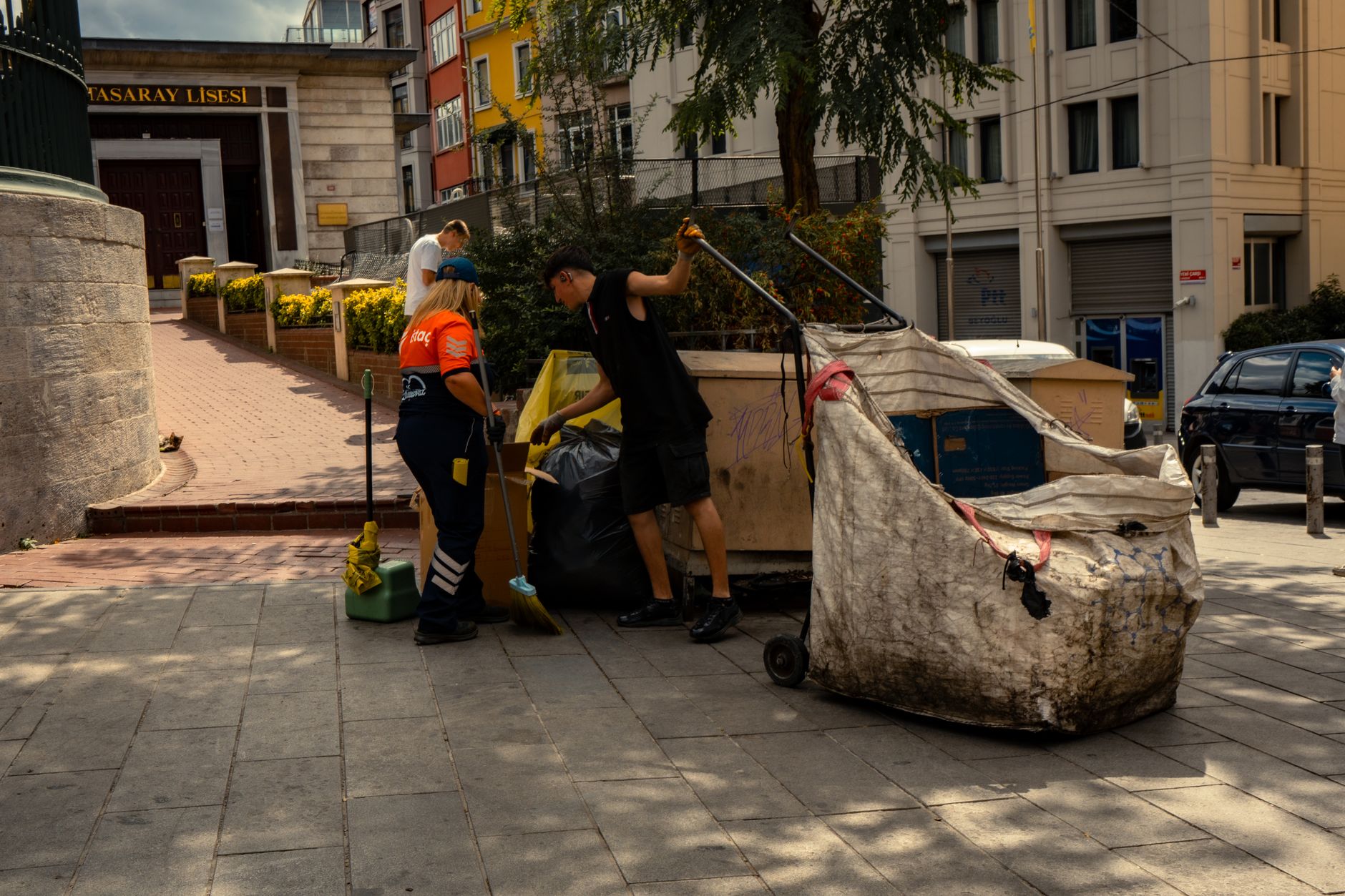
A large-scale clean-up operation has commenced across various French cities following a weekend defined by intense rioting and public disorder. As debris is cleared from streets and damaged storefronts are assessed, the atmosphere remains notably tense. Although the peak of the violence appears to have subsided, security forces maintain a significant presence, and municipal authorities continue to enforce curfews in several major urban centers to ensure stability.
The coastal city of Marseille, located in southern France, has emerged as a focal point of the destruction. Shop owners and business operators in the city have reported extensive damage to their premises in the wake of the unrest. According to reports from the area, more than 600 individual commercial establishments were looted during the riots, leaving many business owners facing the daunting task of assessing financial losses and beginning the process of structural repairs.
The intensity of the events in Marseille has drawn significant attention, as the scale of looting in this specific port city stands among the most severe recorded during the recent wave of disturbances. Throughout the country, the response from local authorities has been a combination of facilitating recovery while keeping law enforcement assets fully deployed. This strategy is intended to prevent any resurgence of the violent episodes that dominated the national landscape over the weekend.
For residents and business owners alike, the return to normalcy is proving to be a gradual and cautious process. The presence of police officers on key thoroughfares serves as a constant reminder of the fragility of the current situation. While the immediate focus is on clearing broken glass, graffiti, and remnants of the riots from public spaces, there is a clear understanding that the restoration of order is the top priority for the government.
The factors contributing to the protests are currently under examination, as the nation looks to understand the underlying drivers of the widespread frustration that led to such significant civil disobedience. Reports and ongoing discussions highlight the complexities of the issues at play, which appear to have resonated deeply across different sectors of the population. As experts and observers analyze the causes, the immediate concern remains the maintenance of public order.
The implementation of curfews in several major cities highlights the cautious approach being taken by the state. These measures are designed to limit movement during sensitive hours and discourage further gatherings that could potentially turn volatile. While the clean-up marks the first phase of the aftermath, the continued deployment of security personnel indicates that the government is not yet prepared to declare the situation fully resolved.
Looking ahead, the recovery process will likely be lengthy for those affected by the looting in Marseille and other affected areas. Support mechanisms for businesses and the ongoing assessment of security protocols will define the next chapter of this crisis. For now, the sight of cleanup crews working alongside stationary police units illustrates the current reality of a nation balancing the need for recovery with the necessity of continued vigilance.







Comments