


Biju Janata Dal (BJD) president and former Chief Minister of Odisha, Naveen Patnaik, has expressed strong disapproval regarding the issuance of an election notice in three villages located within the Kotia Gram Panchayat. These villages have long been at the heart of an intense, decades-old territorial dispute between the state governments of Odisha and Andhra Pradesh. Patnaik questioned the perceived silence of authorities concerning the administrative activities occurring in the contested region, suggesting that such actions undermine the legal processes currently underway.
The Kotia region, which encompasses 28 villages, has remained a point of significant friction for several years. Both states have frequently staked their claims over the area, leading to administrative overlaps and conflicting developmental initiatives. According to records, the dispute specifically concerns 21 of the 28 villages within the gram panchayat, which both administrations consider to be under their respective jurisdictions for the purposes of governance, service delivery, and election conduct.
The issue is currently sub judice, with the matter pending before the Supreme Court of India. The legal battle took a definitive turn in January 2022, when the Odisha government filed a fresh suit seeking to resolve the territorial impasse once and for all. This ongoing litigation is intended to provide a final judicial determination on the administrative rights of the contested villages. Patnaik’s recent remarks highlight the growing frustration within the BJD regarding the unilateral actions taken by the neighbouring state while the judiciary continues to deliberate on the matter.
The historical context of this dispute stretches back several decades, marked by repeated attempts at mediation that have largely failed to produce a lasting resolution. Andhra Pradesh has periodically conducted local elections and implemented welfare programmes in these border villages, which Odisha views as a direct infringement on its territorial integrity and administrative authority. These occurrences have often led to heightened security presence and diplomatic tension at the state border, impacting the residents who find themselves caught in the middle of these competing administrative frameworks.
In the wake of the latest development, observers note that the situation reflects the complexities of interstate border management in India. When the central government or the judiciary is called upon to arbitrate such matters, states are typically expected to maintain the status quo to prevent further escalation. However, the ground reality in Kotia frequently deviates from this expectation, as both states aim to secure their political and administrative footprint through active presence and service delivery.
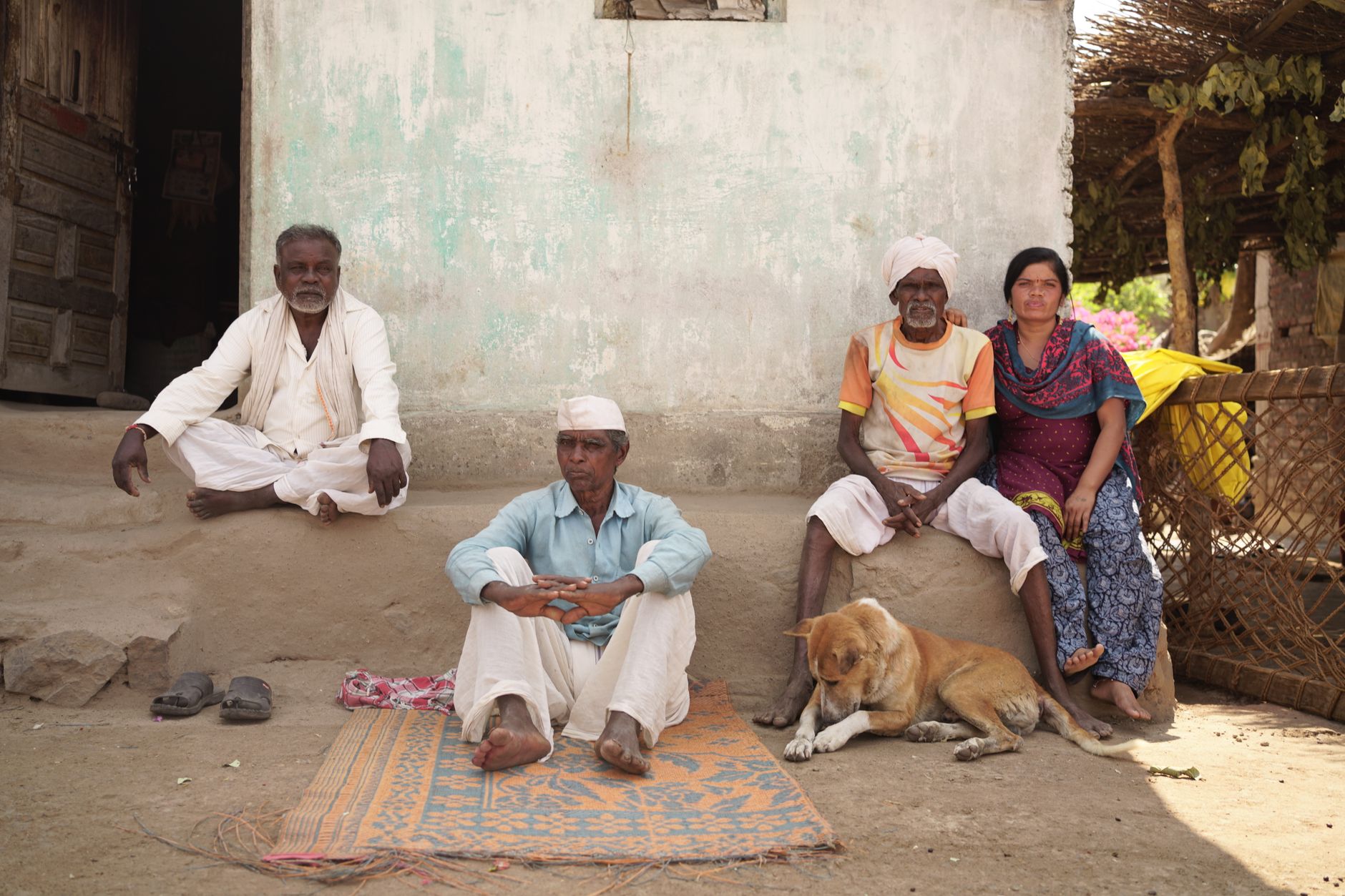
The significance of the Kotia Gram Panchayat extends beyond mere land rights; it involves the delivery of essential services such as healthcare, education, and social security. Residents in the area have, at various times, received benefits from both state governments, leading to a unique but unstable situation where public infrastructure projects are often duplicated or left incomplete due to jurisdictional uncertainty. The involvement of the highest court is viewed by many as the only viable path to ending the administrative confusion that has hindered long-term development in the region.
As the case proceeds in the Supreme Court, the political rhetoric surrounding the border dispute is expected to remain sharp. Patnaik’s critique underscores the BJD's commitment to protecting the state's claimed boundaries while maintaining pressure on the legal system to deliver a verdict. For now, the administration in both Bhubaneswar and Amaravati remains locked in a battle of perceptions and policy, with the residents of Kotia waiting for a definitive resolution that will finally clarify which state holds legal authority over their land and livelihood.







Comments