


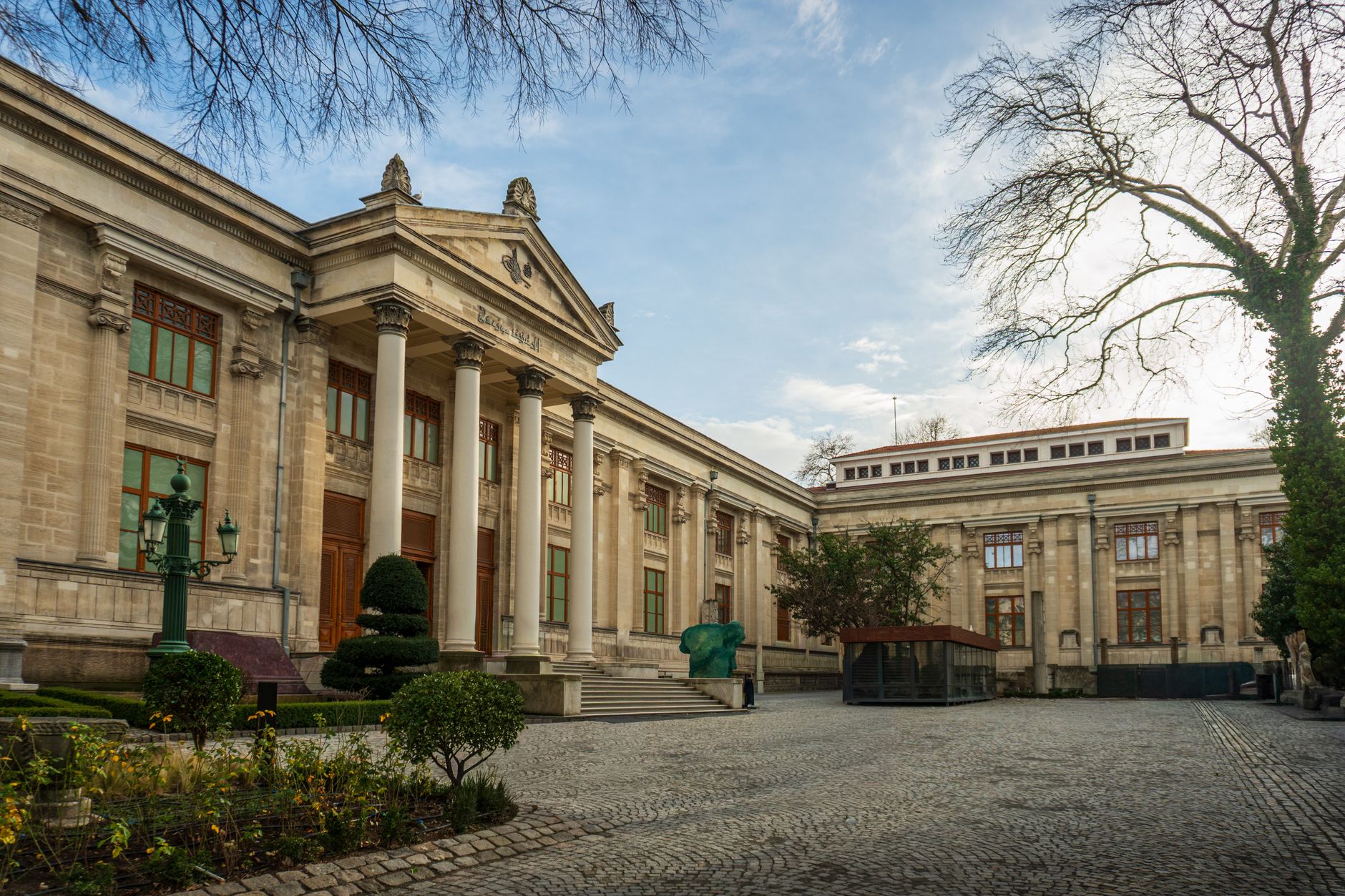
Tensions flared in Bogota as police authorities deployed riot control measures, including tear gas and water cannons, to disperse a group of protesters gathered outside the National Museum of Colombia. The demonstration, which took place in the heart of the capital, was organized by activists who accused the government of intentionally obscuring or erasing significant chapters of the nation’s historical narrative. The site of the protest, a landmark institution dedicated to the preservation of Colombian heritage, became the epicenter of a heated debate over how history is documented, displayed, and protected within state-run facilities.
Witnesses at the scene reported that the situation escalated after demonstrators blocked access to the museum entrance, demanding a public dialogue with ministry officials regarding curatorial practices. In response, law enforcement agencies mobilized to clear the area, citing the need to maintain public order and protect institutional property from potential damage. As the afternoon progressed, the deployment of anti-riot squads led to a swift dissolution of the assembly, leaving behind a heavy police presence around the historic perimeter of the building.
The protesters, many of whom carried placards and banners, argued that current government initiatives represent a revisionist approach to the country's complex past. They contended that specific historical records are being sanitized to align with contemporary political agendas, thereby depriving the public of a complete and honest understanding of Colombia’s development. This sentiment has been gaining traction among various social and cultural groups who view the National Museum as a primary guardian of the national collective memory.
Historically, the National Museum of Colombia has served as a central hub for academic and public engagement with the country's past. Established in the 19th century, it houses an extensive collection of archaeological artifacts, fine art, and historical documentation spanning pre-Hispanic times through the modern era. Because of its prestige, the institution is frequently a focal point for national discourse. Movements seeking to influence the trajectory of public policy often look to cultural institutions to make their voices heard, reflecting a broader pattern of civic activism seen across the region.
For the government, the museum functions as a critical space for education and national unity. Officials have previously maintained that the curation of exhibits is conducted by independent experts and historians who prioritize accuracy and inclusion. However, critics argue that the influence of executive oversight remains a persistent issue, leading to concerns about the independence of cultural institutions. The recent clash suggests that these concerns are deeply rooted, with activists signaling their intent to continue monitoring official actions regarding the management of archives.
What happens next remains uncertain as both sides hold firm to their positions. Activists have indicated that this incident will likely trigger further organized efforts to challenge what they term the systematic dilution of historical truth. Meanwhile, municipal authorities in Bogota are tasked with balancing the right to peaceful protest with the necessity of keeping public landmarks secure. The national conversation regarding how to reconcile conflicting versions of history continues to evolve, serving as a reminder of the fragility of collective memory in the public sphere.
As the capital recovers from the unrest, observers suggest that the incident could lead to a broader review of protocols at major cultural heritage sites. Whether the government will engage with the grievances aired by the protesters or maintain its current path is expected to remain a significant point of political friction in the coming months. The incident at the National Museum has once again underscored the intense sensitivity surrounding the intersection of governance, cultural heritage, and the public's right to access the full scope of their nation's history.








Comments