


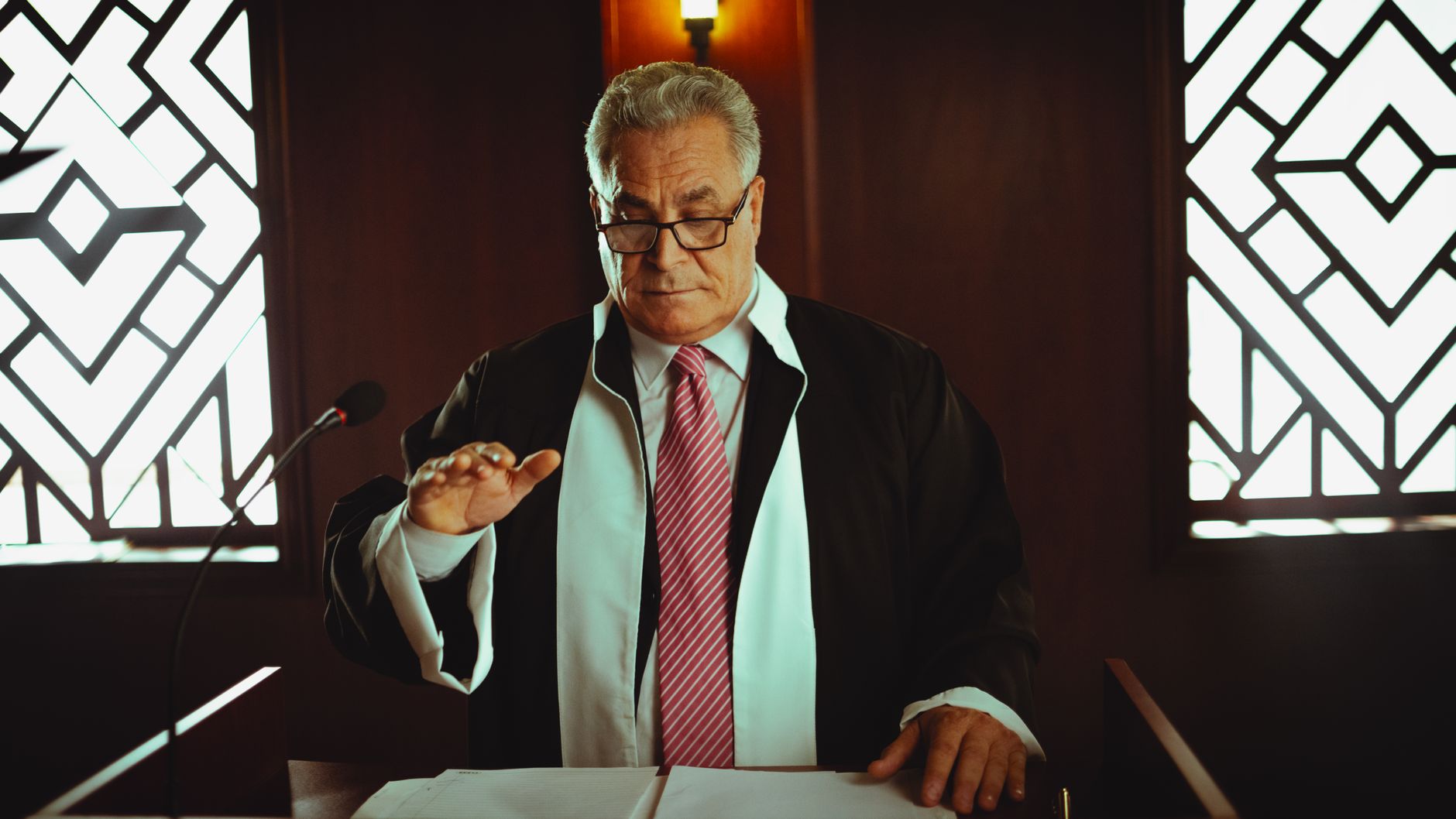
The Bombay High Court on Monday intervened in the ongoing discourse surrounding public demonstrations, directing the Maharashtra government to file a formal response to petitions alleging illegal detentions by police. The court’s directive follows a series of recent protests in Mumbai, where demonstrators expressed solidarity with agitations held in Delhi regarding the Chief Election Commissioner.
A division bench, presided over by Chief Justice Mahesh Chandra Tripathi and Justice Advait Sethna, heard a public interest litigation (PIL) filed by advocate Savar Devre. The petition sought a court order to prevent police from detaining individuals engaged in peaceful demonstrations. During the proceedings, the petitioner’s counsel raised concerns regarding alleged police brutality and the subsequent detention of various participants.
Highlighting specific instances of police action, advocate Gayatri Singh presented an application on behalf of four individuals who claimed to have been detained for a full day last week. According to the submission, these individuals were initially asked to return home before being placed under house arrest. Additionally, senior advocate Mihir Desai, representing the petitioner, submitted affidavits from two other persons who alleged they were detained from their homes.
Addressing the broader issue of civil liberties, the bench observed that while peaceful agitation is a fundamental right, it must be balanced against considerations of public order. The court remarked that there has been significant restraint exercised by the police in Maharashtra during recent events. However, the bench underscored that the credentials of those participating in protests must be carefully examined to ensure that criminal elements do not exploit the guise of civilian demonstration.
"Everyone has the right to agitate. But that should be a peaceful agitation," the court stated, adding that, "They should not have any criminal antecedents. Under the guise of innocent civilians, criminals should not participate." The judiciary noted that authorities must weigh the credentials of protesters and the potential for public inconvenience before issuing blanket orders that might restrict police action or public movement.
The hearing also touched upon the impact of such protests on local infrastructure and residential areas. Two lawyers representing residents of the Shivaji Park locality in central Mumbai intervened to submit an application. They claimed that an existing high court order prohibits agitation within the vicinity of the park, citing the disruption caused by recent gatherings. The bench has ordered the petitioners and the state government to file responses to these complaints as well.
The proceedings reflect an ongoing legal struggle to define the boundaries of protest in urban spaces. With various stakeholders, including residents and activists, presenting conflicting arguments regarding safety and the right to dissent, the court is seeking a middle path that protects both the law and public order. The bench has posted the matter for further hearing on November 19, when the state's response is expected to be placed on record.
This judicial scrutiny comes at a time when authorities are grappling with managing protests that frequently shift from designated areas to critical transport hubs. The upcoming November hearing will be significant, as it is expected to provide greater clarity on the criteria for police intervention during public demonstrations and the legal safeguards afforded to peaceful protesters in the state.








Comments