


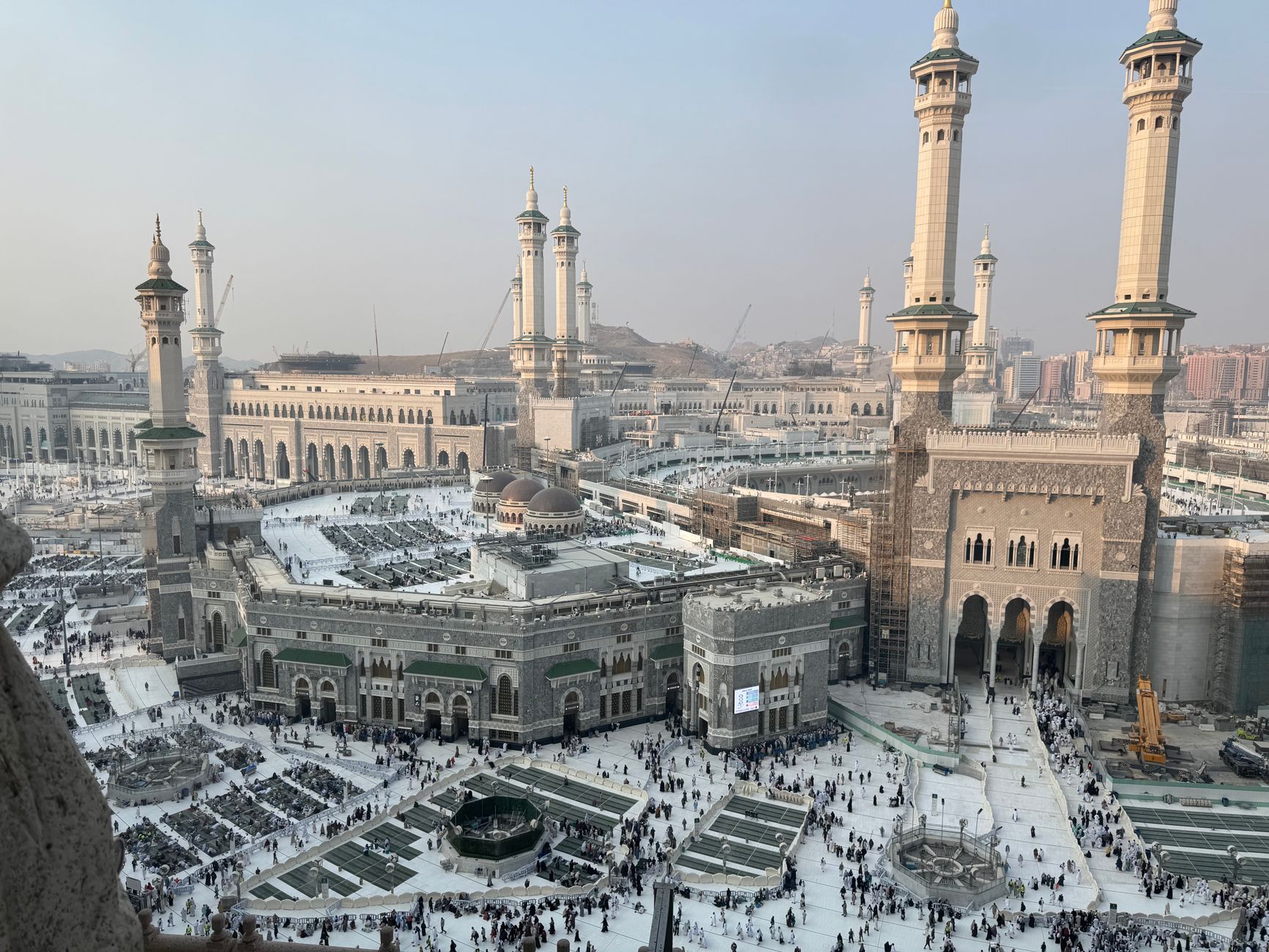
Bangladeshi authorities have officially stated that they were not informed of the recent execution of two of their nationals in the holy city of Mecca until after the event had occurred. The execution, which took place last Wednesday, was confirmed by the Saudi Arabian interior ministry. According to the ministry, the two individuals—a man and a woman—were convicted and sentenced to death for committing an “indecent act” inside a mosque.
The Saudi interior ministry, while confirming the capital punishment, did not provide specific details regarding the nature of the alleged offence. The ministry stated that the defendants were sentenced under “tazir,” a concept in Islamic law where punishments are determined at the discretion of a judge. Officials in Riyadh noted that the severity of the act, combined with the violation of the sanctity of a place of worship, influenced the decision to hand down the death penalty.
In response to the news, the government of Bangladesh has reached out to its Saudi counterparts to seek comprehensive information about the legal proceedings and the exact circumstances of the case. Shama Obaed Islam, the state minister for foreign affairs, confirmed that Dhaka is actively engaging with Saudi authorities. She noted that the government’s priority is to understand the nature of the offences involved, adding that further steps, including the repatriation of the bodies of the deceased, would be considered once sufficient information is obtained.
The incident has sparked significant public concern in Bangladesh, highlighting the vulnerabilities of the large expatriate population living in the Gulf state. More than three million Bangladeshi nationals currently live and work in Saudi Arabia, many of whom are employed in low-paying sectors. The strong economic and religious ties between the two Muslim-majority nations are now being tested as the public demands clarity on how the legal processes were handled for the two executed individuals.
Reports suggest that the lack of communication regarding the finality of the sentence came as a surprise to Bangladeshi diplomats. According to a report by the Daily Star, the two executed individuals had previously been included on a list of prisoners shared by the Saudi government following a request from the Bangladesh Consulate General in Jeddah. However, that list reportedly did not specify that the pair had been sentenced to death, leading to questions about the transparency of the judicial notifications between the two nations.
This is not the first time that the execution of a foreign national by Saudi authorities has gained international attention. Data from human rights organizations, including Amnesty International, indicates that Saudi Arabia has carried out approximately 100 executions this year alone. A significant number of those executed are foreign citizens, many of whom are convicted of drug-related offences.
Historical precedents show that such cases often lead to intense diplomatic efforts. For instance, in 2011, eight Bangladeshi men were publicly executed in Riyadh after being found guilty of killing an Egyptian citizen. More recently, in a separate case earlier this month, Saudi authorities overturned a death sentence handed down to a Sri Lankan man who had been convicted of blasphemy over a social media post. That reversal followed widespread public outcry in Sri Lanka and direct diplomatic intervention, demonstrating that clemency or sentence reviews are occasionally possible through high-level government communication.
As the current situation unfolds, the Bangladeshi government has reiterated its commitment to safeguarding the welfare and interests of its citizens working abroad. The outcome of the ongoing dialogue between the two ministries of foreign affairs is expected to determine the immediate next steps for the families of the deceased and provide a clearer understanding of how such judicial outcomes will be communicated to foreign missions in the future.








Comments