


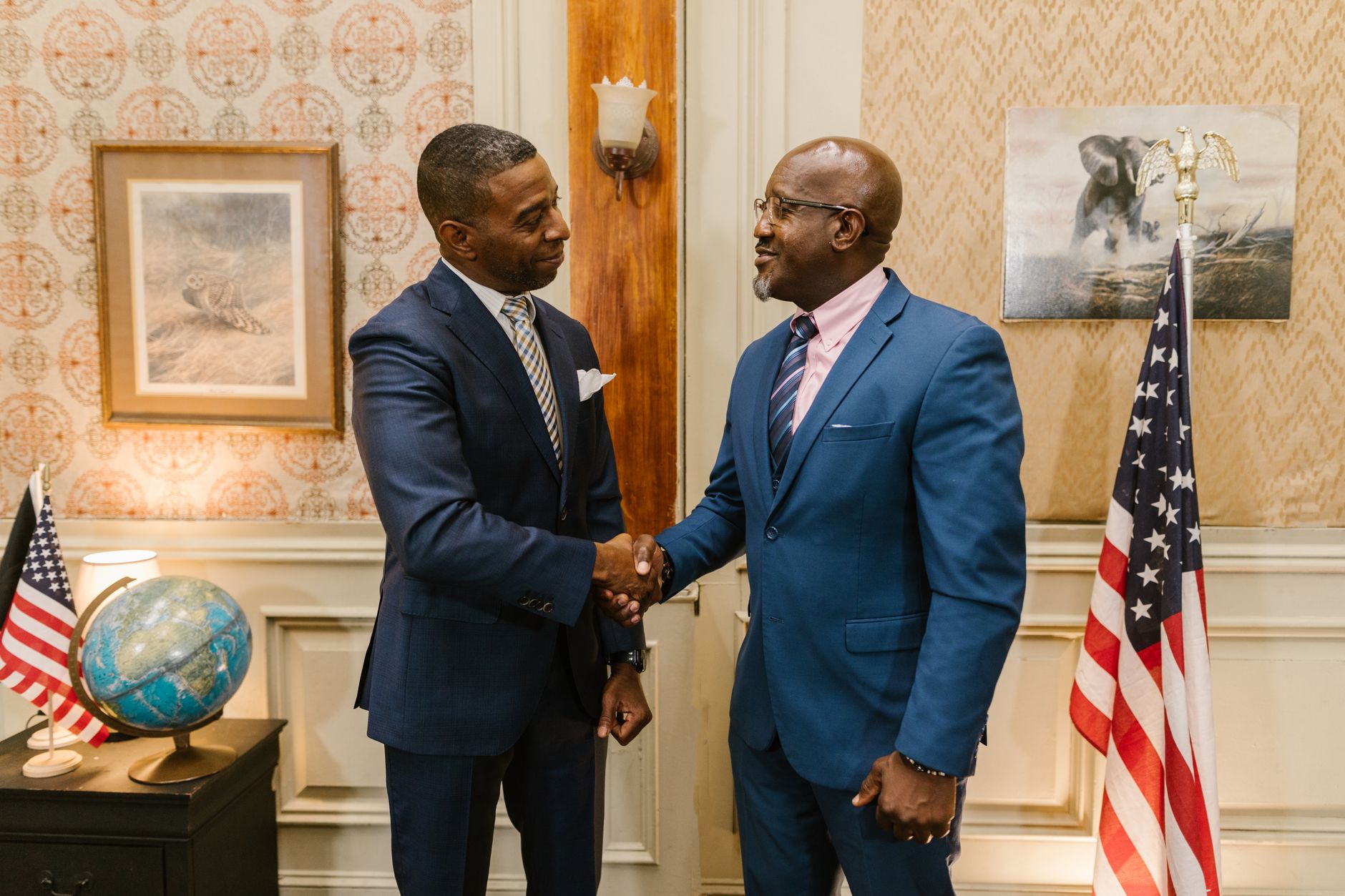
United States Secretary of State Marco Rubio announced on Monday that the US and India are nearing the final stages of a comprehensive trade agreement. Speaking to reporters while in Samarkand, Uzbekistan, Rubio indicated that the administration is working to conclude negotiations, which remain a key priority for bilateral relations. The development comes as both nations navigate a complex landscape of global energy demands and shifting geopolitical pressures.
The announcement coincides with a broader US review regarding sanctions on Russian energy exports. Rubio explained that the administration recently waived several sanctions to mitigate potential disruptions to global energy supplies and price volatility. This pause allows the US to analyze the potential impact of the Lindsey O. Graham Sanctioning Russia and Iran Act, which originally proposed significant tariffs on goods from major purchasers of Russian crude oil and natural gas, including India.
Rubio emphasized that the US government is sensitive to the realities of energy procurement for its allies. Addressing why Washington has exercised caution, he noted that energy diversification is a gradual process rather than an immediate transition. "Geography is real," Rubio remarked, explaining that for many nations, the ability to source energy from alternative suppliers is constrained by logistical and structural factors. While he noted that India has voluntarily worked to diversify its energy portfolio, he acknowledged that a reliance on Russian energy remains due to the difficulty of pivoting supply chains rapidly.
The US is currently observing a 60-day window to evaluate how proposed sanctions and tariffs might affect both the global economy and the domestic US market. Rubio characterized India as an "important ally and partner," suggesting that this period is necessary to determine the most effective policy balance. The ongoing assessment also considers significant shifts in the geopolitical climate since the initial passage of the sanctioning legislation, including the conflict in Ukraine and heightened tensions involving energy infrastructure in the Middle East.
External factors, such as the war between Russia and Ukraine and attacks on infrastructure near the Strait of Hormuz, have placed considerable strain on global energy markets. Rubio pointed out that these events create a challenging environment where foreign policy decisions must account for the stability of global supplies. He stated that the administration is working to identify a strategy that supports national security without causing undue economic instability for partner nations.
In parallel to the diplomatic discussions regarding energy, commercial progress continues. Last week, Indian Commerce and Industry Minister Piyush Goyal confirmed that the initial tranche of the bilateral trade agreement has been concluded and is currently undergoing legal drafting. Goyal expressed optimism that the agreement would be finalized and operationalized in the near future, providing India with a competitive advantage in trade.
Rubio is scheduled to visit Mumbai on Tuesday to meet with India’s External Affairs Minister, S. Jaishankar, to further discuss these developments. He is also slated to travel to Jamnagar later in the week, a region significant for hosting one of the world's largest refinery complexes. This visit is expected to provide deeper insight into the ongoing dialogue between the two nations as they move toward the finalization of their trade and energy policy framework.








Comments