


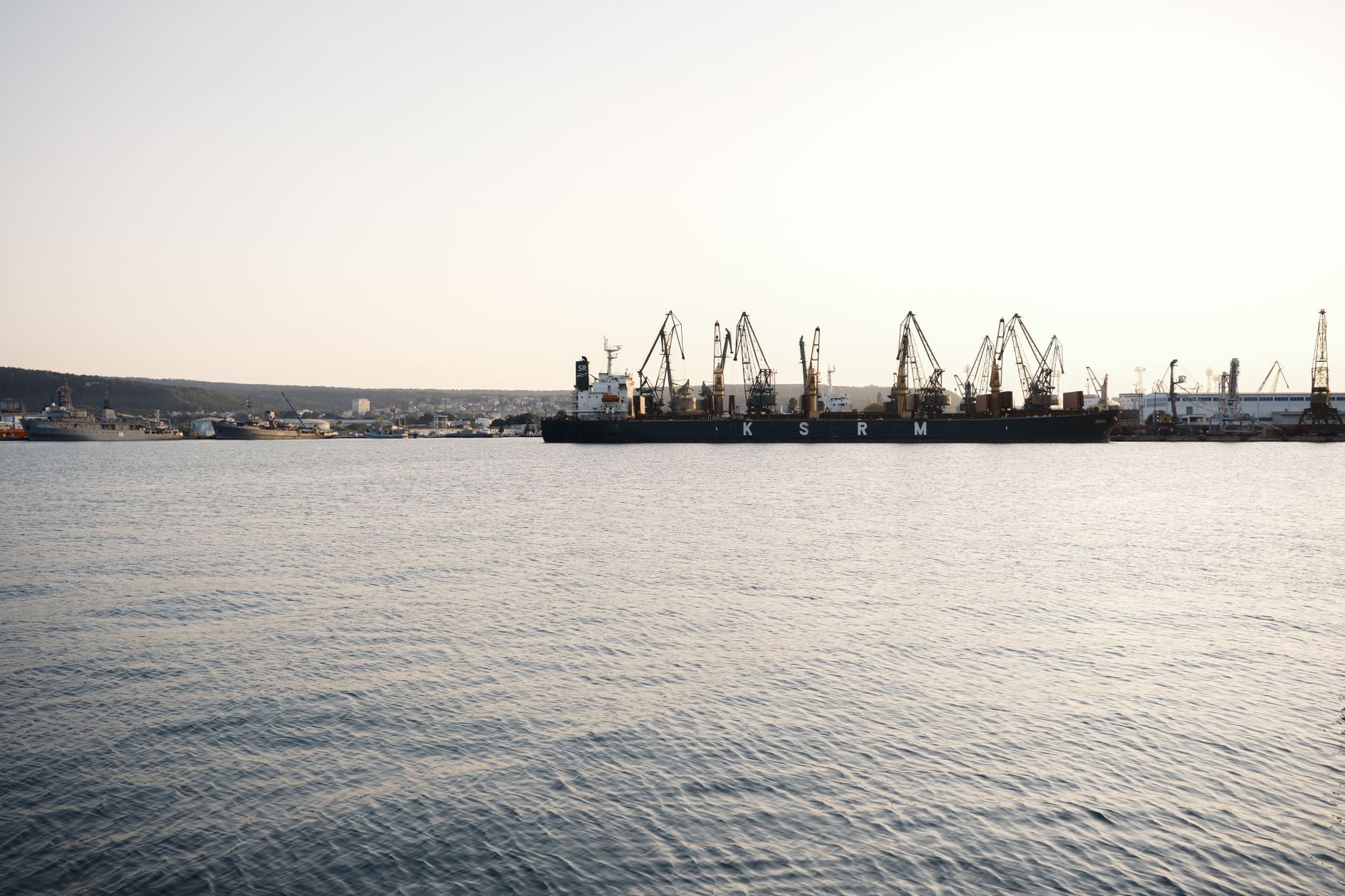
Ukraine is actively engaging with India, Turkey, and Egypt to discuss the potential resumption of civil navigation within the Black Sea, a critical artery for the nation’s agricultural exports. The development comes as Kyiv seeks to restore its pre-war capacity for shipping grain, which has been significantly impeded by ongoing regional hostilities. According to Ukrainian President Volodymyr Zelenskyy, the initiative aims to facilitate the movement of food supplies that are vital for both the domestic economy and international markets.
Black Sea ports have historically served as the primary transit hubs for Ukraine, with the capacity to handle up to 40 million tons of grain per marketing season. However, these operations have faced severe interruptions since August, when a surge in Russian air strikes targeting port infrastructure and commercial vessels brought major shipping routes to a standstill. President Zelenskyy noted that the country’s existing rail infrastructure is insufficient to manage the volume of exports previously handled by maritime routes, leading to a significant backlog in grain movement.
The proposed plan involves an arrangement where ships under the flags of India, Turkey, and Egypt would navigate safely into both Ukrainian and Russian ports to transport food. Under this model, parties involved would agree not to strike these vessels, ensuring a secure transit corridor. Despite ongoing efforts by intermediaries from the three countries to advance this proposal, President Zelenskyy stated that Russia currently remains opposed to the initiative.
The current logistical challenges have had a profound impact on Ukraine's ability to trade. Data from Ukraine’s Agriculture Ministry indicates that Kyiv is currently able to export only 38 percent of its regular volumes. This decline is largely attributed to the persistent strikes on civilian port infrastructure, which intensified following Ukrainian attacks on the Russian 'shadow fleet' last summer. That fleet primarily facilitates the export of sanctioned oil and fuel products, adding another layer of complexity to the region's maritime security landscape.
Beyond the Black Sea initiative, Kyiv is intensifying its diplomatic efforts to alleviate export bottlenecks. President Zelenskyy confirmed that the government has formally requested that the European Union renew its 'solidarity lanes' program. Originally implemented at the start of the full-scale invasion in 2022, these lanes facilitated grain exports through European railways and ports, providing a vital lifeline when traditional maritime access was first compromised. Emphasizing the global importance of the food supply, Zelenskyy noted that these exports are essential for a wide range of international partners.
The push for maritime security highlights the broader second-order economic consequences of the conflict. As Ukraine continues to struggle with damaged port facilities, the reliance on international partners to mediate and facilitate safe passage has become a focal point of its foreign policy. While the diplomatic dialogue with India, Turkey, and Egypt persists, the immediate path toward restoring full export capacity remains contingent on securing safety guarantees for vessels operating in the contested waters.
As the international community watches these negotiations, the stability of global food prices remains tied to the volume of grain that can be safely exported from the region. Whether the proposed corridor can be established depends on the shifting geopolitical stance of the involved parties and the ability to mitigate the risks currently posed by regional security threats. For now, the government in Kyiv maintains that restoring these lanes is a priority to address both the internal economic pressure and the broader humanitarian need for Ukrainian agricultural products.








Comments