


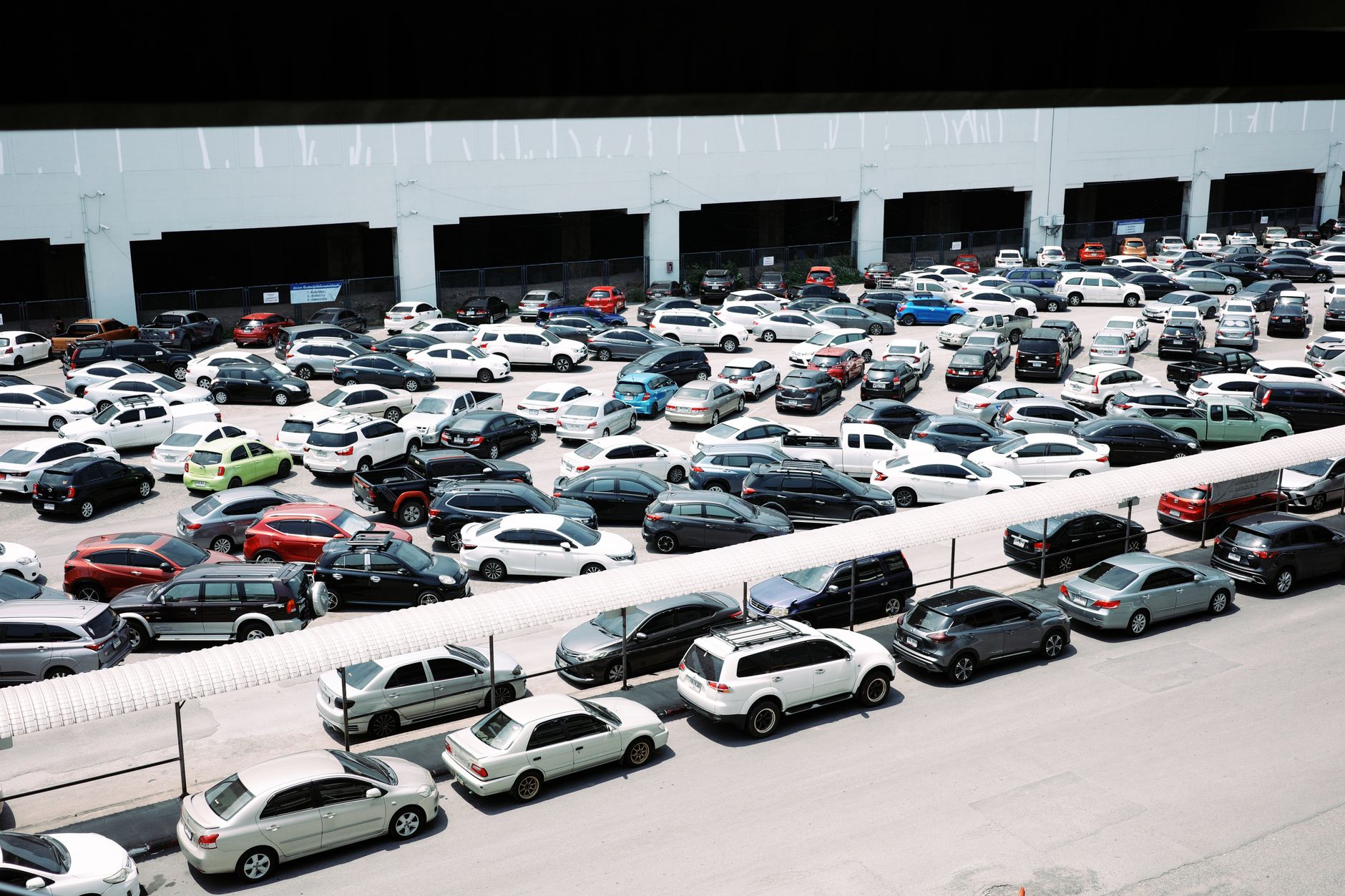
Delhi residents will face significantly higher costs for vehicle storage as the government prepares to implement a series of winter air pollution control measures. Effective from November 1, 2026, until February 28, 2027, parking fees at all authorised sites across the city will be doubled. Officials stated that this move is intended to discourage the use of private vehicles during the winter season when air quality typically deteriorates. Notably, parking facilities operated by the Delhi Metro Rail Corporation are exempt from this price hike, and electric vehicles will also remain unaffected by the increased charges.
The policy is part of a broader framework aligned with the Graded Response Action Plan (GRAP), which was revised by the Commission for Air Quality Management in September. While the seasonal doubling of parking fees serves as a proactive measure, further restrictions are slated to trigger automatically based on the city's Air Quality Index. Under these rules, Stage II measures—which apply when the air quality reaches the 'very poor' category of 301–400—could lead to additional limitations on vehicle movement.
Complementing these parking changes, the government has introduced a mandate requiring all fuel stations to deny service to vehicles that do not possess a valid Pollution Under Control Certificate (PUCC). Furthermore, to reduce congestion and emissions, both government and private offices are expected to implement work-from-home arrangements for 50% of their staff. Restrictions will also be enforced on older vehicles; out-of-state vehicles failing to meet BS-VI emission standards face potential entry bans from November 1 to January 31. Additionally, during the implementation of GRAP Stage III, limitations will extend to BS-III petrol and BS-IV diesel light motor vehicles across Delhi and several surrounding National Capital Region districts, including Gurugram, Faridabad, Ghaziabad, Gautam Buddh Nagar, and Sonipat.








Comments