


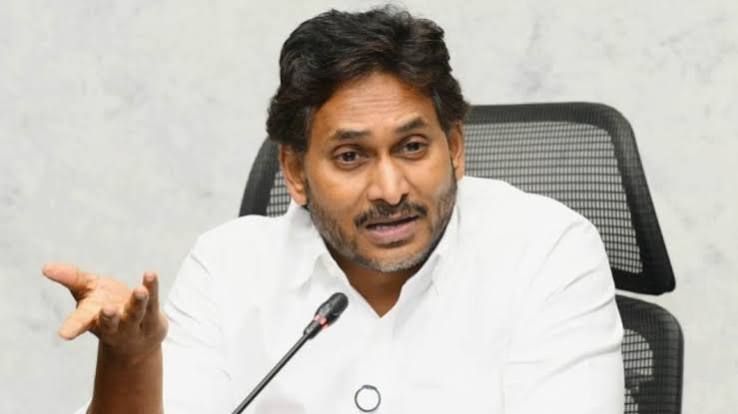
Former Andhra Pradesh Chief Minister Y.S. Jagan Mohan Reddy has publicly expressed regret regarding his party's decision to support the controversial 2023 legislation concerning the appointment of Election Commissioners. The statement marks a notable departure from his previous stance, reflecting on the broader implications of how independent constitutional authorities are constituted in the country.
Addressing the issue, the YSR Congress Party (YSRCP) leader noted that the selection process for the top officials responsible for overseeing democratic processes should remain free from disproportionate influence by the ruling establishment. Reddy emphasized that granting the government a decisive advantage in these appointments could undermine the perceived neutrality of the Election Commission of India (ECI).
The 2023 law, which overhauled the process for appointing the Chief Election Commissioner and other Election Commissioners, had faced significant scrutiny from legal experts and opposition parties at the time of its passage. Critics raised concerns that the new framework marginalized the role of the judiciary, effectively leaving the selection process to a panel where the executive holds a dominant position, thereby potentially compromising the institution's autonomy.
Reflecting on the political environment at the time the bill was introduced, observers note that Jagan Mohan Reddy’s party had provided crucial support to the government in Parliament. This support was seen as a key factor in the bill's successful passage through the legislative process. However, the former Chief Minister’s latest remarks suggest a shift in perspective on the necessity of maintaining checks and balances within the constitutional machinery.
The role of the Election Commission is paramount in upholding the integrity of the democratic process in India, a nation with a vast and complex electorate. By expressing his regret, Reddy has reignited the conversation regarding the independence of constitutional bodies. His comments underscore the growing debate over whether the current appointment structure sufficiently insulates election officials from political pressure or executive overreach.
Legal analysts suggest that the debate over the ECI’s appointment process touches upon the fundamental structure of Indian governance. The requirement for a selection committee that includes diverse voices—often suggested to include the Chief Justice of India—is frequently cited by proponents of independent oversight as the gold standard for maintaining public trust in election outcomes.
Moving forward, the statement is expected to fuel political discussions about electoral reforms. As the country looks toward future polling cycles, the focus remains on whether the current legal framework will face further challenges or revisions. Whether this admission by a prominent political leader leads to a broader consensus among parties for re-evaluating the appointment law remains to be seen in the upcoming sessions of Parliament.
Ultimately, the discourse initiated by Reddy highlights the fragility of institutional independence in a competitive political climate. By acknowledging the potential risks of executive control over election oversight, the former leader has brought the importance of institutional integrity to the forefront of national policy discussions once again.








Comments