


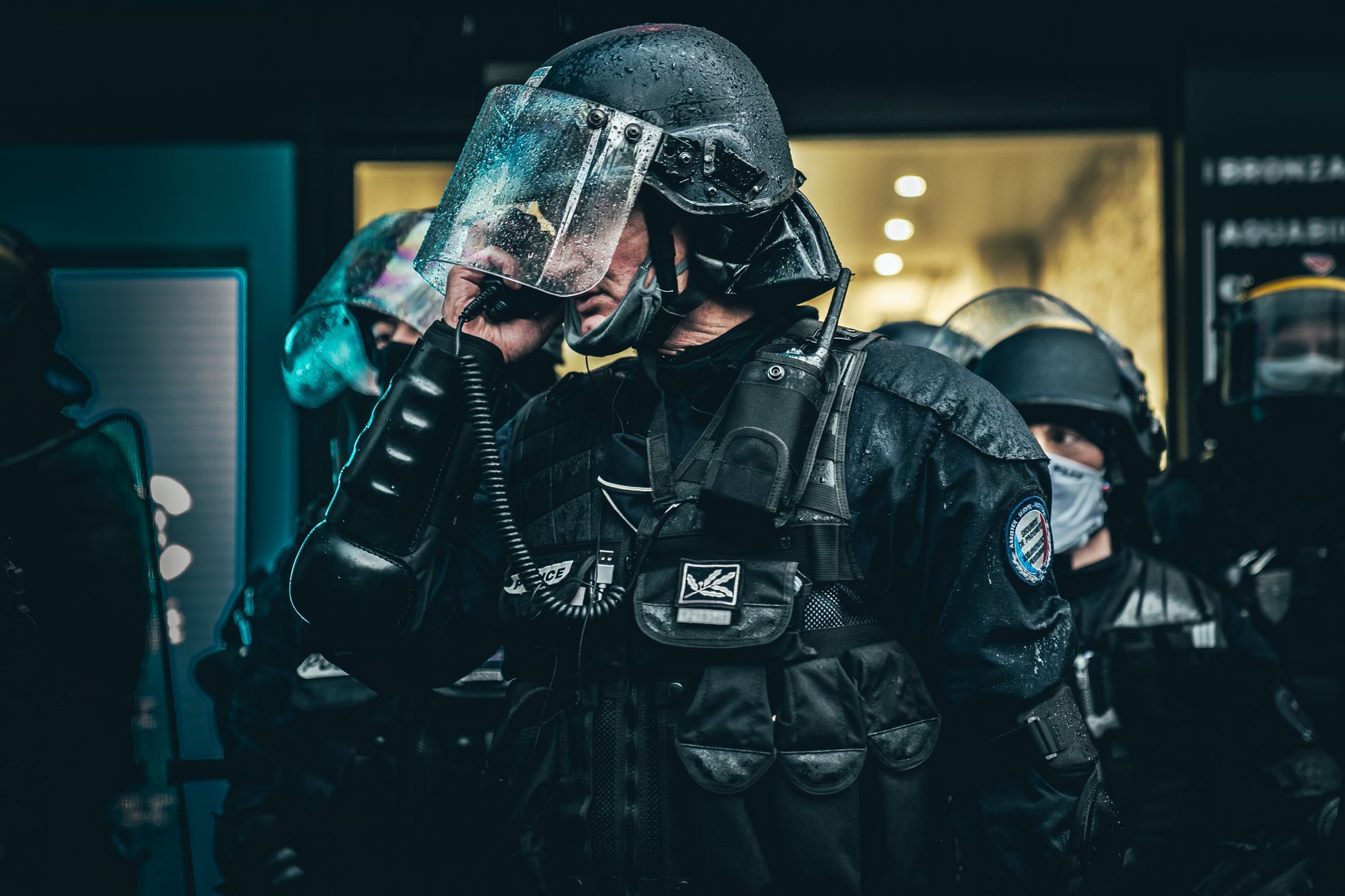
French President Emmanuel Macron has publicly denounced the violent protests that swept through the country over the weekend, describing the acts of rioting and widespread looting as attempts to undermine the republic. In a televised address delivered on Sunday, the president expressed his “anger and shame” regarding the chaos that transformed several French cities into scenes of destruction.
The unrest, which has been identified as some of the most severe urban violence experienced in France in recent years, saw security forces struggling to maintain order. According to the French Interior Ministry, nearly 2,400 individuals were arrested during the course of Saturday alone. The intensity of the clashes was evidenced by the high casualty count among law enforcement, with approximately 1,000 police officers and gendarmes reporting injuries while attempting to quell the violence.
In his address, President Macron drew a clear distinction between citizens participating in demonstrations over what he termed “legitimate demands” and those who utilized the protests as a cover to engage in criminal behavior. He emphasized that those who “destroyed, smashed, and looted” would be held accountable and would “pay for their crimes.” Despite the scale of the disturbances, the president opted against declaring a formal state of emergency or implementing a national curfew, focusing instead on administrative and security-based responses.
The president announced the establishment of a “crisis unit” tasked with providing “urgent aid” to those affected by the disruption. He further stated that the government would conduct a comprehensive review of the events, noting that “lessons will be learned” to ensure that such levels of destructive violence are anticipated and prevented in the future. Macron reiterated the necessity for “unity, calm and respect” during this volatile period, acknowledging the professionalism of the law enforcement officials who faced unprecedented levels of violence across multiple urban centers.
The weekend's unrest has inevitably become a central point of contention for political figures competing ahead of next year's presidential elections. Criticism of the government's handling of the crisis has been sharp and polarized. Jean-Luc Melenchon, a prominent left-wing presidential candidate, placed the responsibility for the destruction squarely on the shoulders of the government, asserting that it had failed in its primary duty to maintain public order.
Conversely, Jordan Bardella, a far-right presidential hopeful, issued a harsh rebuttal to the president’s address. Describing the speech as “lamentable” and “cowardly,” Bardella argued that the current administration is exhausted and incapable of providing basic protection for the French people. This political friction suggests that the government will face ongoing pressure regarding its internal security policies as the election cycle approaches.
Meanwhile, public reaction remains divided. Observers on the ground noted that while the presidential address sought to re-establish a sense of government control, it is unclear if the message will effectively de-escalate the tensions on the streets. Many protesters have expressed deep-seated frustration, suggesting that traditional political rhetoric is failing to address the grievances of those who have taken to the streets. As the situation remains fluid, the focus is now on how the newly formed crisis unit will function and whether the government can restore stability before the unrest evolves further.







Comments