


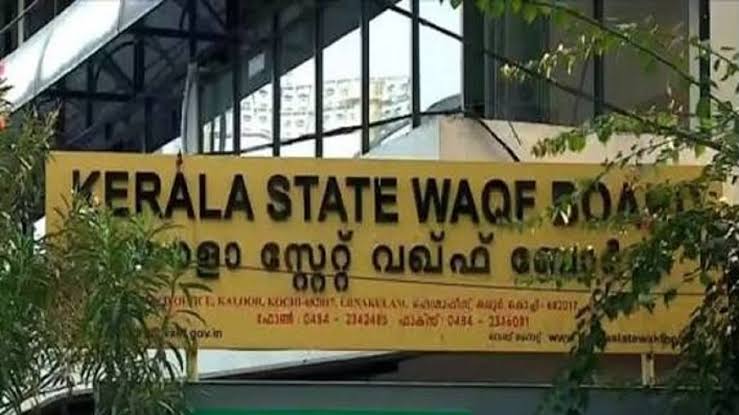
The Sunni Management Association (SMA) has officially voiced its opposition to the recent reconstitution of the Keralam State Waqf Board. K.V. Siddique Faizy, the district president of the association, publicly criticised the state government for its decision to deny representation to two prominent groups belonging to the Samastha Kerala Jamiyyathul Ulama organisation. The move has sparked a debate regarding the criteria used for appointing members to the board, which oversees the administration of significant Islamic endowments in the state.
Addressing the issue in Palakkad, Mr. Faizy described the omission of the Samastha Kerala Jamiyyathul Ulama groups as inherently unfair. He underscored the vast influence these organisations wield across the state, noting that they are responsible for the oversight of more than 20,000 madrasas. Furthermore, these groups manage approximately 1,000 higher religious education institutions and thousands of local Muslim community units, known as mahals, across the region. According to Mr. Faizy, given this substantial footprint, their exclusion from the board’s new composition is difficult to justify.
The controversy is deepened by the specific nature of the board’s new appointments. Mr. Faizy pointedly questioned the government’s logic in granting representation to the Mujahid and Jamaat-e-Islami factions while simultaneously bypassing the Samastha organisations. He argued that the Samastha groups possess a significantly wider presence and hold deeper roots within the Muslim community in Keralam compared to those who were selected. This disparity in representation, he suggested, raises serious questions about the fairness of the selection process.
Highlighting the potential for underlying bias, the SMA district president suggested that the decision to exclude these groups may have been driven by political motives rather than administrative requirements. He maintained that the government’s choices appear to favour certain factions while neglecting others that are clearly eligible and integral to the community’s religious and educational landscape. This perception of political influence has caused unrest among supporters of the affected organisations.
In response to these developments, Mr. Faizy has urged the government to take immediate action to rectify the situation. He called for a high level of transparency in how the State Waqf Board is constituted, asserting that the state administration has a responsibility to ensure all relevant and eligible groups are given a fair seat at the table. His appeal includes a specific demand for the government to intervene and incorporate representatives from the two Samastha factions into the board’s structure.
The State Waqf Board is a critical body in Keralam, tasked with the protection and proper management of Waqf properties. These assets, which are donated for religious, charitable, or educational purposes, require oversight that is both knowledgeable and representative of the community's stakeholders. By failing to include organisations that are deeply embedded in the management of these very services, the SMA argues that the government has compromised the representative nature of the board.
As the issue continues to gain traction within local discourse, the government faces increasing pressure to explain its selection criteria. Observers note that the inclusion of various Islamic factions in state boards is often a delicate matter involving religious, social, and political balancing acts. For the time being, the Sunni Management Association maintains that the current composition is unbalanced, and it continues to lobby for a revision that includes the two Samastha groups, citing their foundational role in the religious education infrastructure of the state.







Comments