


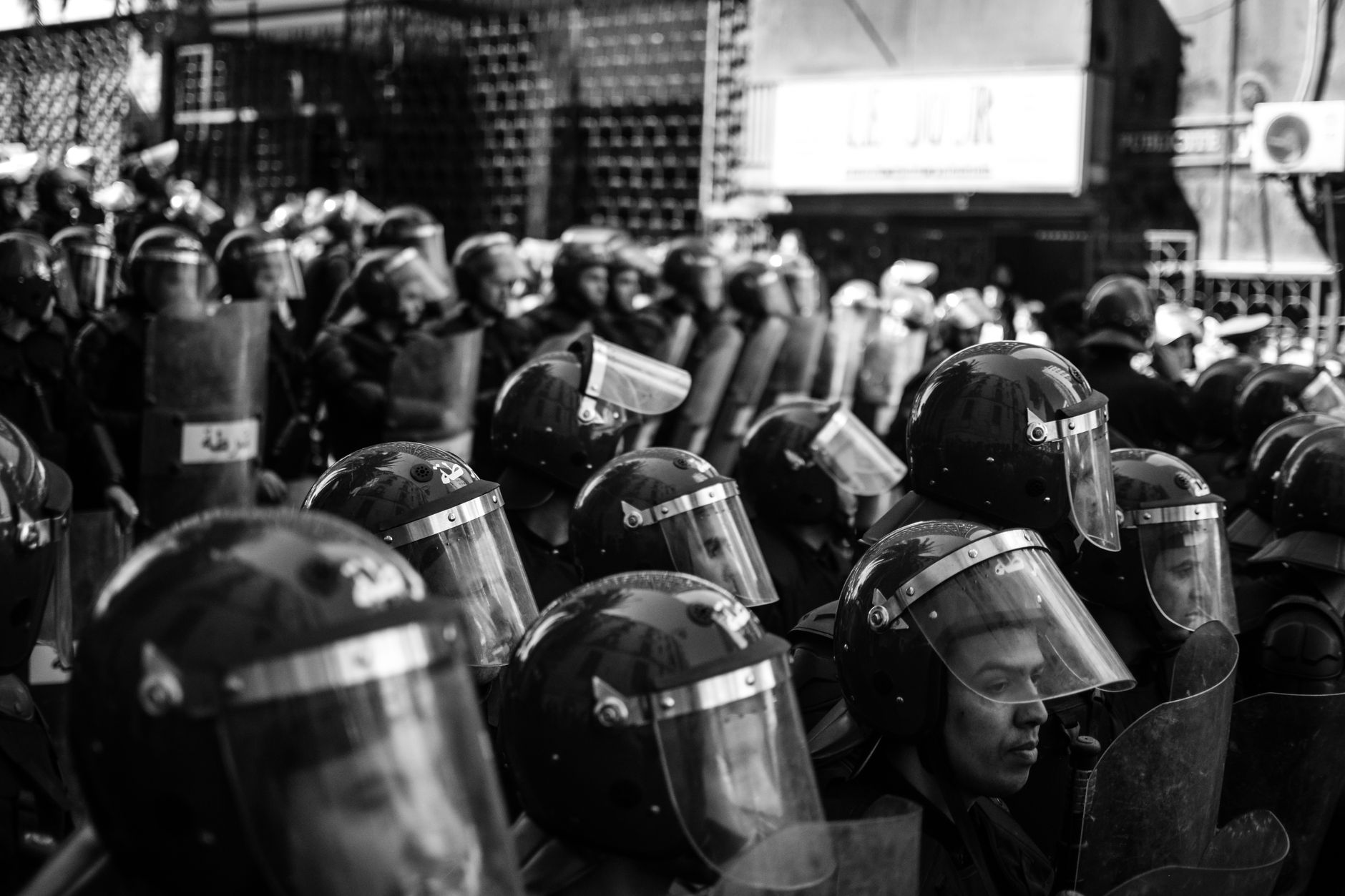
US Vice President JD Vance has launched a pointed critique of French immigration policies, attributing the ongoing civil unrest in the country to the failure of Western governments to prioritize assimilation. His comments follow a wave of violent protests that have seen demonstrators clash with police, loot businesses, and target public property across several French cities.
The protests, which began in late September, initially focused on concerns regarding deteriorating school conditions, teacher shortages, and reductions in education spending. However, the scope of the demonstrations has since expanded to include grievances over the rising cost of living, social inequality, and general pressure on public services. On Saturday, the situation intensified significantly, resulting in the partial destruction of a 143-year-old town hall in Limoges due to an arson attack.
Addressing the situation on social media, Vance argued that Western leaders have prioritized diversity and compassion at the expense of national stability. He claimed that these governments ignored warnings regarding the compatibility and assimilation of imported populations. He urged France to address the situation, while simultaneously warning American citizens that the current state of France represents a future he claims congressional Democrats intend for the United States.
Vance’s remarks echo those of former US President Donald Trump, who also utilized his platform on Truth Social to characterize the protests as a consequence of uncontrolled migration. Trump dismissed the protesters' stated concerns about education and living conditions, framing the unrest instead as an attempt by groups to exert influence over the country.
On the ground in France, authorities have reported massive turnout for the demonstrations. French Interior Minister Laurent Nuñez stated that 110 separate protests saw an estimated 5,50,000 participants nationwide, with 1,10,000 protesters gathering in Paris alone. Organizers from various labour and student groups, including the CGT union, provided higher estimates, suggesting up to 8,00,000 people took part in the actions.
The government has expressed a firm stance against the violence that accompanied these gatherings. Minister Nuñez attributed the destruction, which included the looting of nearly 100 shops in Bordeaux according to Mayor Thomas Cazenave, to radical far-left groups. He alleged that these factions deliberately sought confrontations with law enforcement and targeted state buildings.
French President Emmanuel Macron condemned the incidents in a statement on social media, emphasizing that there is no place for violence within the Republic. He stated that those responsible for attacking prefectures, businesses, and town halls would face prosecution and punishment. Prime Minister Sébastien Lecornu further reinforced this position, clarifying that while the government acknowledges the nature of peaceful protests, it will not be intimidated by acts of arson and looting.
As French authorities work to restore order and investigate the damage to civic institutions, the international discourse surrounding the protests continues to draw attention from high-level officials in the United States. The French government maintains that its primary focus remains on addressing the perpetrators of the violence while navigating the underlying social tensions that sparked the widespread demonstrations.







Comments