


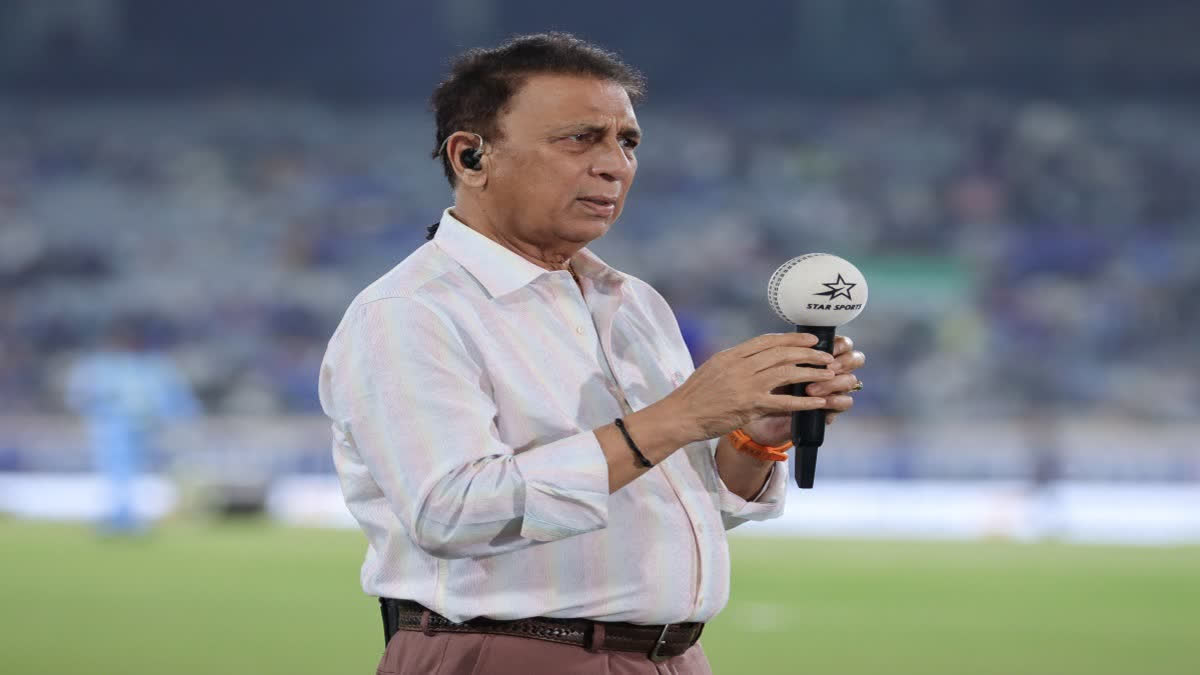
Former Indian cricket captain Sunil Gavaskar has called for a tactical rethink regarding how the national team manages its squad balance when star all-rounder Hardik Pandya is unavailable. Speaking after the conclusion of India’s T20I series against the West Indies, which ended in a 2-2 draw following a rain-affected finale in Bengaluru, Gavaskar emphasized that the team’s ongoing search for a like-for-like replacement for Pandya may be misplaced.
Pandya, one of the most senior figures in the current setup, has been a central pillar for India due to his ability to contribute significantly with both the bat and the ball. However, recurring fitness challenges have frequently sidelined the all-rounder, forcing the team to experiment with various combinations. Gavaskar argued that because Pandya possesses a unique set of skills that cannot be replicated, the team should abandon the expectation of finding a player of his exact calibre.
"We sometimes get a little bit carried away with trying to find a replacement for Hardik Pandya. Hardik Pandya is irreplaceable. If you can’t find somebody of his calibre, then go with somebody who will do a slightly different job," Gavaskar noted during his post-match commentary on JioStar. The lack of depth in all-round options remains a persistent issue for India, particularly as the side continues its preparations for the 2027 World Cup.
The veteran commentator pointed to the recent performance of Naman Dhir as a potential blueprint for how India could structure its playing XI. During the rain-hit series decider, where only 7.4 overs of play were possible, Dhir made a notable impression with an unbeaten 24 runs off just six deliveries. Gavaskar highlighted that while Dhir is primarily a batter, his ability to chip in with two or three overs of bowling provides the kind of flexibility the team currently lacks.
Gavaskar suggested that the team must prioritize playing at least four frontline bowlers to ensure the bowling attack remains competitive. According to his assessment, the fifth and sixth bowling roles could be filled by players who provide additional batting depth. Alongside Dhir, he referenced Axar Patel as another player capable of handling four overs of bowling, thereby offering the necessary tactical balance without needing a direct counterpart to Pandya.
The dilemma of finding an all-rounder has been a long-standing concern, with India often weighing the merits of including an extra specialist batsman against those of an additional bowler. The issue is compounded by a trend where many of India’s top-order batsmen do not bowl, and among the regular bowlers, only Ravindra Jadeja provides consistent reliability with the bat.
As the team looks ahead, Gavaskar’s comments reflect a wider need for India to move beyond the "Hardik dependency" model. By empowering players who can perform specific, multifaceted roles rather than attempting to forge an identical version of the ace all-rounder, India may find a more sustainable approach to team selection in future campaigns. The shift in strategy, he suggests, could address the balance issues that have complicated the team's composition in recent years.








Comments