


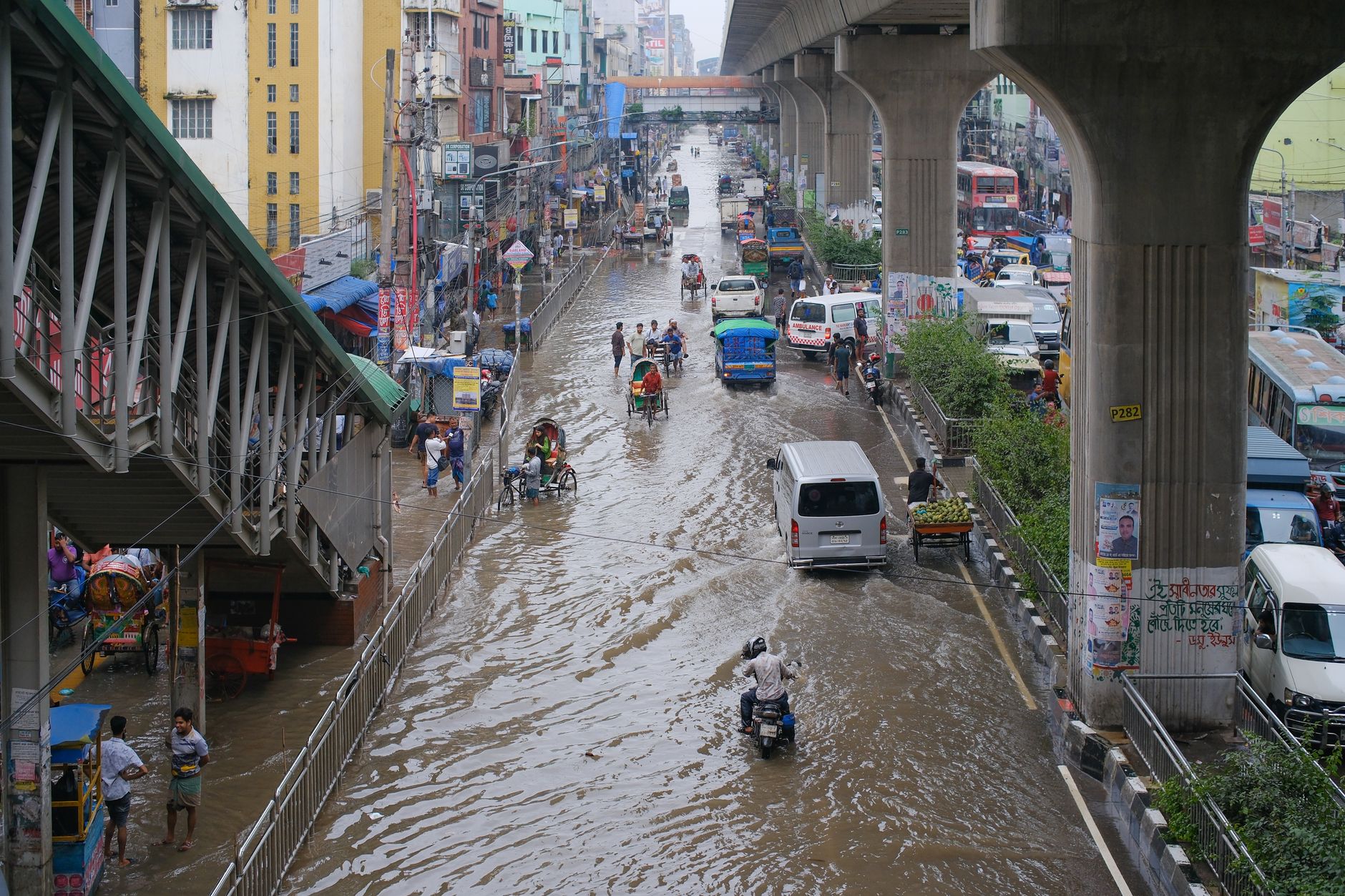
The onset of the northeast monsoon has brought heavy rainfall to Tamil Nadu, resulting in widespread waterlogging and significant traffic disruptions across Chennai. The intense weather conditions, which began on October 17, saw North Chennai bear the brunt of the initial showers. In certain areas, rainfall intensity reached between 6 cm and 10 cm in less than an hour, rendering roads flooded and commuting difficult for local residents.
The India Meteorological Department (IMD) attributed the heavy precipitation to a combination of a cyclonic circulation over north Tamil Nadu and coastal Andhra Pradesh, alongside a trough extending from Lakshadweep toward the southwest Bay of Bengal. The northeast monsoon, often referred to as the winter or retreating monsoon, is a critical seasonal pattern for the South Asian peninsula. It occurs between October and December and serves as a vital source of annual rainfall for Tamil Nadu.
As the downpour continued through the night into the morning hours, footage from the city showed residential streets submerged and visible water accumulation at the Chennai airport, including on the airport ramp. Social media users documented the challenging conditions, expressing frustration over the persistent weather-related disruptions. In response to the crisis, local authorities have mobilized a significant workforce to mitigate the impact of the rising water levels.
City civic officials have deployed over 15,000 sanitation and municipal workers across Chennai to clear flooded roads and manage drainage issues. As a precautionary measure, the Tamil Nadu State Disaster Response Force has stationed 100 personnel on the ground. Furthermore, additional teams from the National Disaster Response Force and State Disaster Response Force have been placed on standby, ready to intervene should the situation deteriorate further as the monsoon progresses.
Looking ahead, the IMD has issued a yellow alert that remains in effect until October 23. This designation signals expected heavy rainfall ranging from 6 cm to 11 cm. The forecast indicates that very heavy rain is likely to persist across the state until October 21. Meteorologists have warned that the ongoing inclement weather is expected to affect numerous districts beyond Chennai, including Chengalpattu, Tiruvallur, Kancheepuram, Villupuram, Cuddalore, Mayiladuthurai, Nagapattinam, Thanjavur, Tiruvarur, Pudukkottai, Ramanathapuram, Sivaganga, Thoothukudi, Kallakurichi, Ariyalur, and Perambalur.
The administration has advised residents to prepare for potential prolonged traffic congestion, particularly in low-lying areas where water drainage typically takes longer. Officials continue to monitor the cyclonic activity and the trough position to provide updated warnings as the weather system moves through the region. For a state that relies heavily on the northeast monsoon to meet its annual water requirements, this initial surge marks the beginning of a crucial, albeit disruptive, period for local infrastructure and public life.








Comments