


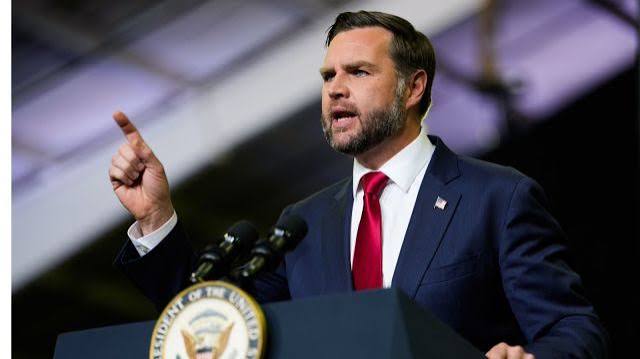
US Vice President JD Vance has addressed growing backlash regarding his characterization of H-1B visa holders as "foreign indentured servants." Speaking during a CBS News town hall broadcast on Saturday night, the Vice President offered a clarification after a voter challenged his past rhetoric, accusing him of scapegoating immigrants to avoid addressing broader systemic policy issues.
The voter, who identified herself as a naturalized citizen who immigrated to the United States five years ago, confronted Vance directly during the event. She argued that the language used by the Vice President unfairly targeted immigrant workers. In response, Vance acknowledged that his communication style had been flawed, stating, "To the extent that my rhetoric has been imperfect here, that’s on me."
Seeking to contextualize his perspective, Vance highlighted his personal family background. He invoked his marriage and his relationship with his South Indian in-laws to demonstrate his stance on immigration. "You know where my family comes from. I love my in-laws who immigrated here from South India," he said. He further emphasized that the country should welcome individuals who contribute to the nation, while advocating for what he termed a "balanced system."
The core of the Vice President's explanation focused on the power dynamics within the current H-1B visa framework. Vance argued that his previous remarks were intended to be a critique of corporate practices rather than an indictment of the workers. He suggested that the existing visa system grants employers excessive control over their employees, noting that the threat of being sent back to their countries of origin could silence workers who might otherwise voice concerns about their employment conditions.
"When I say indentured servitude, that is not a criticism of H-1B visa holders; that is the criticism of the company, which brings a person who sometimes will lay off an American worker and knows that if they complain, if they have disagreement with the boss, they could just lose their job," Vance explained. He added that the system allows these individuals to be treated in a way that he finds problematic, framing his commentary as a challenge to corporate exploitation.
The exchange highlights the ongoing debate surrounding the US visa system and its impact on the domestic labor market. Vance’s comments have been a point of contention among various advocacy groups and immigrant communities who closely monitor political rhetoric regarding work-based visas. By shifting the focus of his critique toward the corporate entities that leverage these visas, the Vice President attempted to distance himself from the perception that he is hostile toward legal immigrants.
As the political discourse continues, the tension between labor protection policies and immigration systems remains a significant theme. The Vice President’s latest intervention reflects an effort to refine his position and address the concerns of voters who felt alienated by his terminology. The administration is likely to continue facing scrutiny over how it balances the needs of American workers with the requirements of the high-skilled immigration system that many US companies rely upon.







Comments