


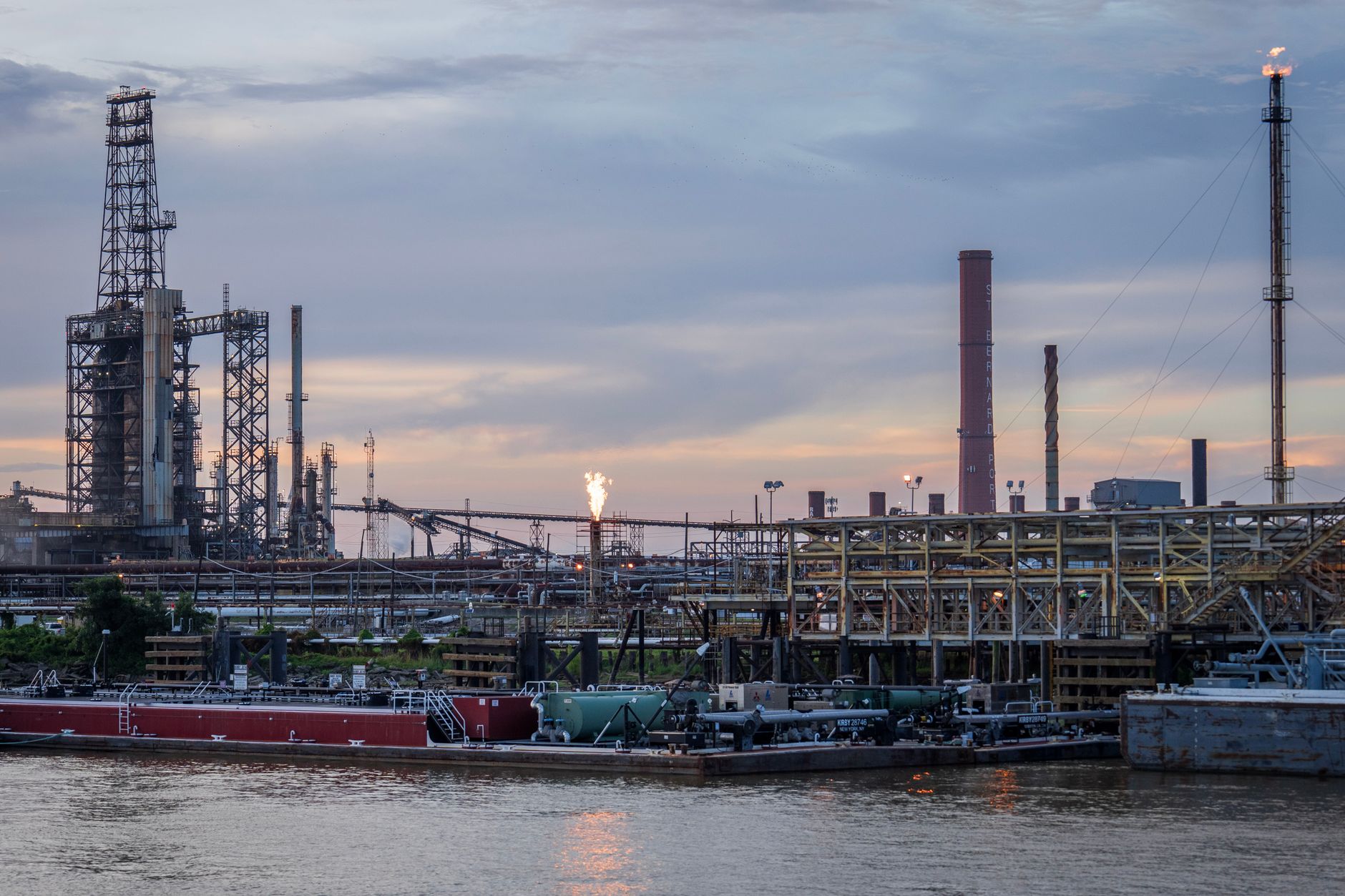
Indian refineries have ramped up their exports of refined petroleum products to Western markets, recording a 43% increase in shipment values during September. According to data from the Centre for Research on Energy and Clean Air (CREA), countries including the European Union, Australia, the United States, and New Zealand collectively purchased oil products worth 1 billion euros (approximately $1.2 billion) from India, Turkey, and Brunei during the month. Of this total, CREA estimated that approximately 295 million euros’ worth of these refined products were produced using Russian crude oil.
The European Union emerged as the largest buyer among these nations, accounting for 667 million euros in imports. Australia followed with 168 million euros, while the United States and New Zealand imported products valued at 154 million euros and 19 million euros, respectively. The surge in export values highlights the ongoing complexity of global energy flows, as refineries continue to process Russian-origin feedstock for markets that have implemented sanctions against direct Russian energy imports.
Reliance Industries' Jamnagar refinery in Gujarat played a central role in this trade. Despite the European Union’s January 2026 ban on oil products refined from Russian crude, the Jamnagar facility supplied six of the seven cargoes unloaded at EU ports in September. Furthermore, the refinery accounted for a significant portion of exports to the United States, with shipments totaling 122 million euros. Research indicates that Russian crude comprised 32% of the Jamnagar refinery's total crude imports during the July-to-September period. Among the EU shipments in September, Italy received three, Romania accepted two, while Spain and Cyprus each took one.
The current regulatory framework contains a notable loophole that facilitates this trade. While the European Union prohibits the import of products derived from Russian crude, the policy includes exemptions for net crude exporters. Research groups have argued that this permits refineries to process Russian-origin oil while declaring the finished product as coming from a different origin. In response, advocacy groups like CREA have proposed tightening these regulations to apply bans at the refinery level, suggesting that products from any facility that has processed Russian crude in the preceding six months should be prohibited from entry, regardless of the stated origin.
Interestingly, the rise in refined exports coincided with a decline in India’s direct intake of Russian crude. In September, India’s total imports of Russian crude fell by 13%, marking the second consecutive month of decline and reaching their lowest level since April. Major facilities saw reduced activity, with the Jamnagar refinery’s intake dropping by 27% and the Paradip refinery recording a 21% decrease. Nayara Energy’s Vadinar refinery also saw an 8% reduction, though it surpassed Jamnagar as the country’s largest importer of Russian crude for the month.
Despite the monthly dip, India remains a significant consumer of Russian energy. The country spent 4.1 billion euros on Russian hydrocarbons in September, solidifying its position as the second-largest global buyer after China. Crude oil accounted for 88% of this expenditure, while the remainder comprised coal and oil products. Analysts suggest that the recent decline in import volumes was influenced by a combination of tighter global supplies, increased competition from Chinese buyers, and changing market dynamics, rather than solely by Western diplomatic pressure.
The outlook for coming months remains fluid. Market analysts at Kpler project that India’s Russian crude imports will likely stay within the range of 1.8 million to 1.9 million barrels per day throughout October. As global markets continue to navigate these complex trade routes, the intersection of national energy security, industrial capacity, and international sanction policies remains a critical point of focus for policymakers and global energy observers alike.








Comments