


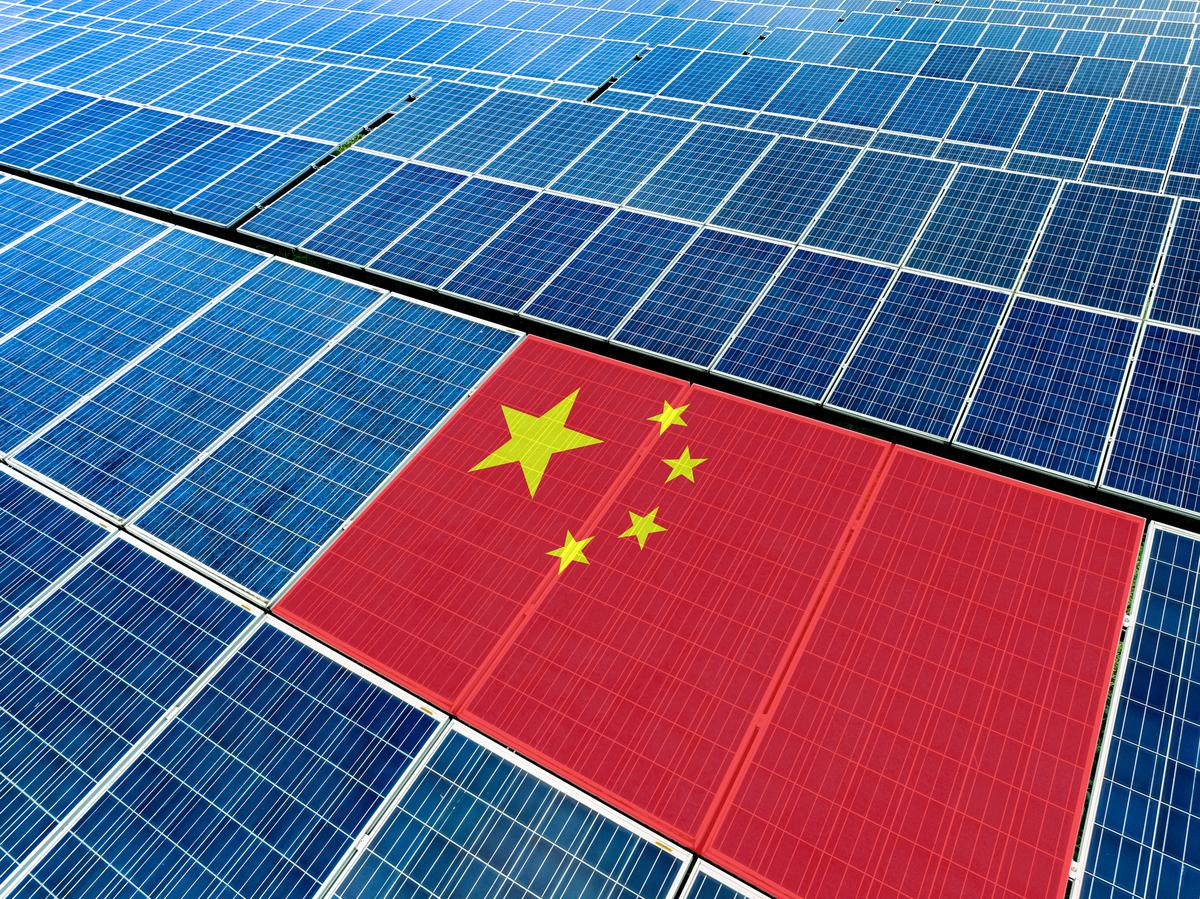
China has formally proposed the implementation of export controls on 12 specific technologies utilized in the production of solar equipment. The Ministry of Commerce announced the move on Friday, noting that the update is part of a broader revision that also encompasses sectors like biotechnology and artificial intelligence. Officials stated that greater oversight has become necessary because these solar technologies are increasingly being integrated into sensitive fields, including aerospace and national defense applications.
The ministry explained that the proposed restrictions are intended to guard against risks associated with technology dissemination. According to the official statement, the objective is to prevent technologies from running out of control while simultaneously safeguarding normal international exchanges and cooperation within the scientific and technological sectors. As the regulatory framework undergoes this revision, exporters are currently required to register certain overseas technology transfers until the formal export-control catalogue is updated. The government has opened the proposal to public consultation, with the window for feedback scheduled to close on November 15.
Under the proposed plan, China would impose a ban on the export of technologies related to the production of certain thin wafers, perovskite, and tandem solar cells. Furthermore, the country seeks to restrict the export of large-scale fluidized-bed polysilicon production technologies. Polysilicon remains a critical building block for modern solar panels, and the fluidized-bed method is noted for being more energy-efficient and cost-effective compared to the traditional, dominant Siemens manufacturing process. Perovskite, an emerging technology, is particularly prized for its potential to increase conversion efficiency, while tandem cells are designed to capture a broader spectrum of sunlight.
Beyond these categories, Beijing also intends to place restrictions on, though not completely prohibit, the export of several advanced solar cell manufacturing technologies. These include tunnel oxide passivated contact (TOPCon), heterojunction (HJT), and back-contact (XBC) technologies. The impact of these potential curbs is significant, as reports indicate that Chinese officials held preliminary talks with manufacturers earlier this year regarding such restrictions.
The development has drawn attention due to its potential to disrupt global energy supply chains. Analysts have pointed out that China appears to be moving to preserve its current dominance in the solar sector, particularly as nations like India work to build up domestic manufacturing capabilities and reduce their historical reliance on Chinese imports. Similarly, the proposal could threaten the production expansion plans of various international firms, including those in the United States, that currently depend on Chinese technology and components to scale their manufacturing operations.
The announcement follows reports from earlier this year suggesting that Beijing had already begun curbing the export of solar manufacturing technology to India. As the global shift toward renewable energy accelerates, the ability to control the underlying machinery of solar panel production has emerged as a key strategic asset. By regulating these 12 technologies, China is effectively tightening its grip on the components that power the transition to clean energy on a global scale. As the public consultation period progresses toward its mid-November deadline, international stakeholders will be closely watching for further clarity on how these controls will be enforced in practice and which markets may face the most significant disruptions.








Comments