


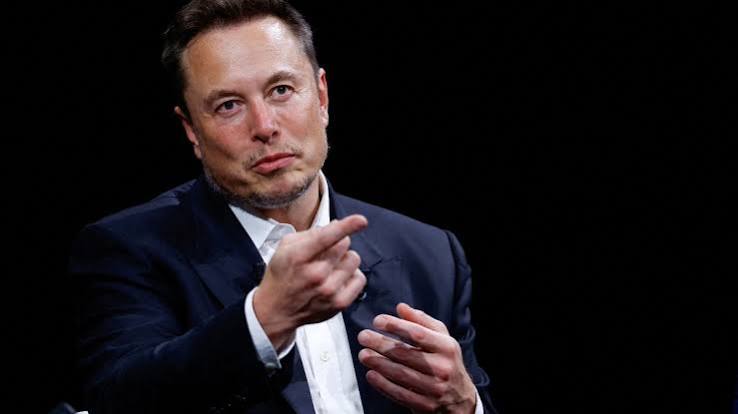
Tech entrepreneur Elon Musk has softened his stance on the regulatory environment for Starlink in India, shifting toward a more conciliatory position following a public exchange with Reliance Industries. After a week of vocal criticism on the social media platform X, Musk responded to a formal statement from the Indian conglomerate by stating, "Much appreciated." This interaction suggests a potential de-escalation in the discourse surrounding the entry of satellite broadband services into the Indian market.
The change in tone coincides with a significant diplomatic visit, as US Secretary of State Marco Rubio has arrived in India. As part of his two-day itinerary, Rubio is expected to visit the world's largest oil refinery in Jamnagar, Gujarat. This facility is owned by Reliance Industries, led by chairman Mukesh Ambani. The convergence of high-level diplomatic engagements and the ongoing debate over satellite communication policy has drawn increased attention to the commercial landscape between the two nations.
The public dialogue began when Reliance Industries issued a response to previous criticisms leveled by Musk. In its statement, the conglomerate noted that it welcomes competition in the satellite communications sector, provided that all participants adhere to the laws and policies of the land. Reliance emphasized that the Indian government applies consistent processes to every applicant, whether domestic or foreign, and stated that its own satellite services, Jio, are also awaiting final clearances.
In response to this, Starlink also issued a statement, asserting that it has engaged closely with Indian regulators, industry stakeholders, and operators for over five years. The company stated that it has established dedicated systems, gateways, and infrastructure within the country to serve Indian traffic. Starlink further maintained that it has secured the requisite government approvals and remains ready to provide high-speed internet connectivity across the nation.
The race to provide satellite-based internet is set to include major players such as Sunil Bharti-backed Eutelsat OneWeb, Reliance Jio, and Starlink. These services are intended to reach remote geographical regions where traditional ground-based broadband infrastructure is technically or logistically unfeasible. By offering satellite connectivity, these companies aim to bridge the digital divide in underserved areas.
Industry analysts suggest that the eventual clearance for Starlink’s operations is linked to broader Indo-US bilateral relations. Factors influencing these developments include ongoing trade negotiations and the strategic complexities surrounding global energy markets, specifically the potential for tariffs related to the purchase of Russian oil. As the regulatory process continues, the focus remains on how these international players will navigate the domestic policy framework set by the Indian government.
As Marco Rubio proceeds with his visit to the Jamnagar facility, the diplomatic implications for energy and technology sectors remain a focal point. While the immediate exchange between Musk and Reliance appears to have moved toward a more constructive phase, the path forward for satellite operators involves navigating both technical requirements and international policy considerations that have become central to the current bilateral discourse.







Comments