


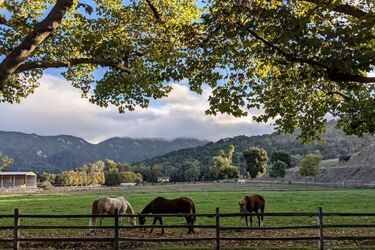
A farming family in southern Indiana has embarked on an extensive restoration project to rehabilitate degraded land, successfully balancing sustainable agricultural practices with the need to protect the habitat of the rare Eastern Hellbender. Managed by Ben Shireman and his family, the operation had previously suffered from years of severe erosion under continuous row cropping, which had left the soil depleted and the fields scarred by deep gullies.
The property, which spans nearly 800 acres, faced significant challenges as heavy rainfall washed soil across sinkhole basins. According to the Shiremans, the previous method of continuous cropping resulted in low yields and high input costs, making the farm difficult to sustain. Ben Shireman noted that they were averaging 100-bushels of corn and struggling to turn a profit, prompting the family to seek a fundamental shift in how they managed their land.
To facilitate this transformation, the family collaborated with the US Department of Agriculture’s Natural Resources Conservation Service (NRCS). They initially accessed support through the Environmental Quality Incentives Program (EQIP) and later expanded their efforts using funding from the Farmers Helping Hellbenders Regional Conservation Partnership Program (RCPP). This programme is specifically designed to address resource concerns in watersheds that influence the habitat of the Eastern Hellbender, a large aquatic salamander that requires clean, oxygen-rich water to survive.
The restoration strategy involved a suite of conservation measures, including the introduction of cover crops, pasture plantings, and filter strips to stabilize the soil. The family also implemented nutrient management plans and adopted rotational grazing, which utilized fencing to prevent livestock from overusing specific areas. Additionally, they integrated bale grazing systems to further enhance soil health. For 17-year-old Lily Shireman, the strategy was about addressing the root causes of the degradation rather than applying temporary fixes, describing the process as treating the actual wound instead of just keeping it covered.
While the farm lacks visible streams on the surface, its location in an area characterized by karst topography means that water travels quickly through sinkholes and underground channels, eventually reaching waterways such as the Blue River. Eliza Hudson, a conservation programme coordinator, explained that farming practices in such regions directly impact water quality, even when surface water is not immediately apparent. Excess sediment can bury the rocky streambeds essential for the Eastern Hellbender, while nutrient runoff can lead to the degradation of these aquatic ecosystems.
The impact of these conservation efforts is already visible. The family reports that erosion has significantly decreased, pastures have become more resilient, and their reliance on expensive commercial fertilisers has declined as organic matter accumulates in the soil. Beyond the agricultural improvements, there are signs of ecological recovery, with the family noting the return of local wildlife, including quail.
Looking ahead, the Shiremans hope their journey encourages other producers to seek out similar technical and financial assistance. By utilizing these resources, they believe farmers can not only improve their current operational viability but also ensure that healthier, more productive land is preserved for future generations. Ben Shireman expressed a desire for other farmers to engage with these programmes, stating that by sharing knowledge and support, the agricultural community can grow together toward more sustainable practices.








Comments