


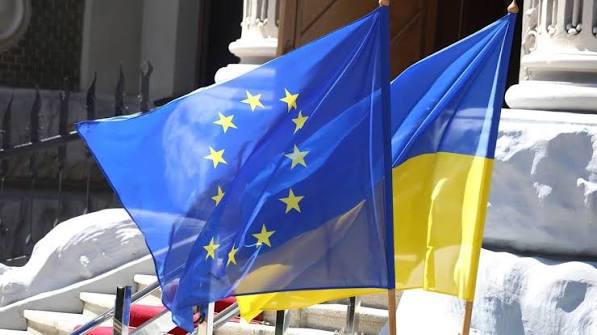
The geopolitical landscape surrounding the conflict in Ukraine is undergoing a significant shift as European Union member states confront the reality of a potentially diminished American role in the war effort. For years, the United States has served as the primary provider of military, financial, and intelligence support to Kyiv. However, growing diplomatic friction between Ukrainian leadership and incoming American officials has cast a shadow over the future of this partnership, forcing Brussels to consider its capacity to lead the international response.
Reports of strained relations between the administration of Ukrainian President Volodymyr Zelenskyy and the incoming Donald Trump administration have sparked intense debate across European capitals. Officials in Brussels and other major European cities are now evaluating the extent to which the EU can fill a potential void if Washington decides to curtail its assistance. This development comes at a critical juncture in the ongoing war, where the intensity of combat and the logistical requirements of the Ukrainian military remain high.
For the European Union, the task is twofold. First, it involves sustaining the immediate supply of weaponry, ammunition, and humanitarian aid necessary to maintain Ukraine’s defensive lines. Second, it requires a recalibration of long-term diplomatic strategy. EU leaders have frequently emphasized that the security of Ukraine is intrinsically linked to the stability of the European continent. As such, any significant reduction in American involvement is viewed not merely as a loss of resources but as a potential challenge to the security architecture of the entire region.
Public statements from European officials suggest a cautious but resolute approach. While many European nations have already ramped up domestic defence production, experts note that the sheer volume of material provided by the United States over the last two years remains difficult to replicate. The reliance on American satellite intelligence and advanced logistical capabilities constitutes another significant gap that European militaries would struggle to bridge in the short term.
Within the halls of the European Parliament, discourse has shifted toward discussions of strategic autonomy. Proponents of increased EU intervention argue that the bloc must demonstrate unity and resolve, regardless of shifts in Washington’s foreign policy. Conversely, some member states have expressed concern over the economic burden of such a transition, particularly as domestic inflation and energy costs remain primary policy concerns for governments across the bloc.
The current uncertainty is also affecting the morale of international observers who have long viewed the unity between the US and the EU as the backbone of the Western response to Russian aggression. If the transatlantic consensus fractures, analysts warn that it may provide a strategic opening for Russian forces to solidify their positions in occupied territories. The coming months are expected to be defined by high-level diplomatic meetings in Brussels, where the focus will likely remain on securing a unified funding mechanism that does not rely exclusively on one partner.
Ultimately, the challenge for Europe is one of both political will and industrial capability. As the war enters its next phase, the question remains whether the EU is prepared to escalate its involvement significantly. The situation remains fluid, and the coming weeks of diplomatic maneuvering will likely dictate the scale and scope of the support Ukraine can expect as it continues its campaign against Russian forces. Whether this results in a surge of European military investment or a shift toward a more complex diplomatic negotiation remains the central question for policymakers in the region.








Comments