


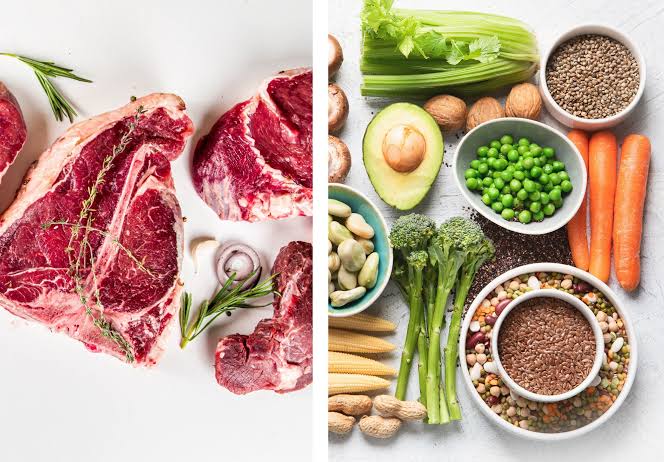
For individuals struggling with sleep disturbances, the remedy may not always be found in a medicine cabinet, but rather on the dinner plate. As public interest grows regarding the impact of diet on sleep hygiene, experts are weighing in on the benefits of both plant-based and animal-based eating patterns. According to Sonal Chandalia, a clinical nutritionist at the Jaslok Hospital and Research Centre in Mumbai, the choice between these two diets ultimately hinges on how easily a meal is digested and the specific nutritional profile it provides.
Plant-based diets typically encompass a wide range of foods, including whole grains, pulses, legumes, beans, vegetables, fruits, seeds, and nuts. Chandalia notes that these foods are excellent sources of complex carbohydrates, soluble fibre, protein, and heart-healthy fats, all of which are conducive to maintaining both the duration and quality of one's sleep. From a biological perspective, these food sources contribute neurotransmitter precursors like tryptophan and serotonin, which the body requires to synthesize melatonin, the hormone central to regulating sleep cycles.
Furthermore, plant-based options are often rich in minerals such as magnesium and potassium, which play a critical role in regulating muscle movement. These foods also offer an array of anti-inflammatory micronutrients that can promote better rest. When these meals are digestively compatible with an individual, they tend to be lighter, making them a suitable choice for evening consumption, which may support gut health and facilitate a more restful night.
While plant-based diets are frequently highlighted for their health benefits, animal-based foods are not necessarily excluded from a sleep-friendly lifestyle. Chandalia emphasizes that animal products such as eggs, skim milk, and various lean meats provide an adequate amount of protein and necessary neurotransmitter precursors that help control sleep cycles. However, the caveat lies in the preparation and the specific nature of the animal product being consumed.
The primary concern with animal-based foods is their fat content. Meals that are particularly rich or heavy take significantly longer for the human body to process. High-protein and high-fat foods increase the overall digestive load, which can prevent the body's metabolism from settling down as it prepares for rest. Consequently, if one chooses to include animal-based proteins in their dinner, it is advisable to consume them earlier in the evening to allow sufficient time for digestion before bedtime.
Ultimately, the impact of a diet on sleep is determined by the specific combination of the meal. Whether a person opts for a plant-based or animal-based approach, the goal is to ensure the meal provides the correct quantity and quality of proteins, complex carbohydrates, fibre, and fats. Achieving a balanced intake ensures a higher level of satiety and eases the digestive process.
By managing these nutritional factors, individuals can improve their ability to fall asleep and stay asleep. As with any significant change to a daily routine, it is always recommended that individuals consult with a qualified health practitioner to tailor dietary choices to their specific needs. By being mindful of the digestive requirements of the body during the evening, one can better support the transition into a state of rest.








Comments